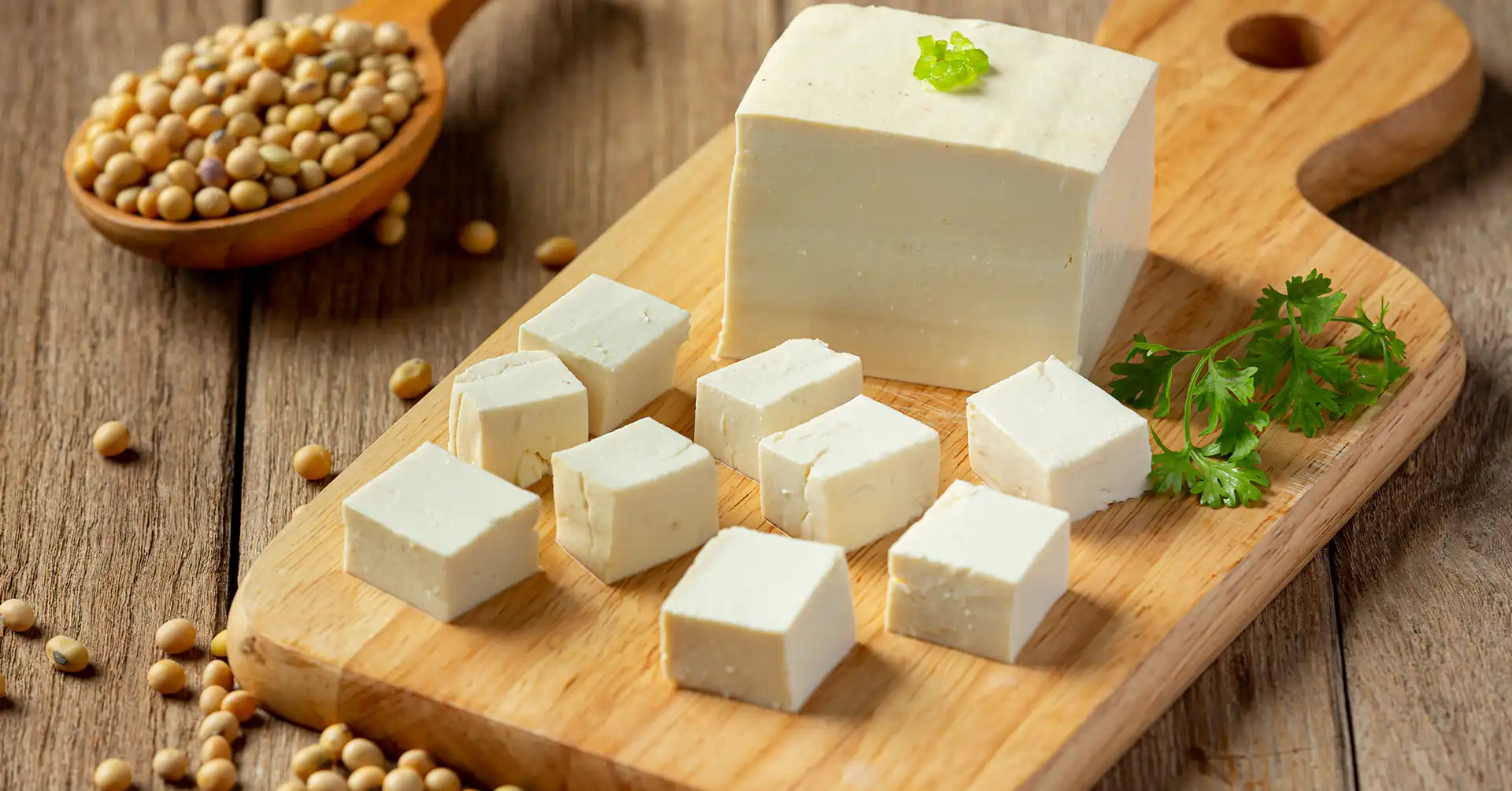
Can you remember your last homemade Indian meal? Was there any paneer in it? For many people, mostly in India, paneer is not only food but also a source of comfort, tradition, and nutrition all in one. Dreaming of a rich family dinner with paneer butter masala or lightly grilled cubes in a fitness meal, paneer is the one that fits nearly all lifestyles. On top of that, the 100 gm paneer protein offers a pleasure-filled taste and a nourishment that few vegetarian foods can compete with, which is quite remarkable.
Paneer has a creamy texture and is neutral taste. On the other hand, it has been highly regarded by nutritionists and fitness trainers. This is why paneer is deemed a complete source of protein, also providing healthy fats and essential minerals your bodies need that are far more than just good for muscle health, bone strength, and general health. For vegetarians, paneer is one of the most reliable and accessible protein sources that still stands out.
In this comprehensive blog today, you will get to explore everything- its protein content, calorie value, complete nutrition profile, key health benefits, best practices of consumption, and, lastly, some practical dietary tips.
Understanding Paneer: More than Just Cottage Cheese
Paneer is a fresh cheese made by curdling milk with natural acids like lemon juice or vinegar. Unlike hard cheeses, paneer does not undergo fermentation, so its flavor remains mild and its texture soft.
One of the prominent reasons for the popularity of paneer is its complete protein profile. This indicates that it has all the essential amino acids (9) that the human body cannot produce on its own. Thus, for vegetarians, this is a great dietary protein source.
Besides, its versatility is also an advantage. Paneer takes on flavors easily; hot, mild, grilled, or raw preparations are all the same for it. Such flexibility helps people to add protein to their diet without feeling restricted or becoming bored.
Protein and Calories Simplified
Protein and calories are often mistaken for each other. You should know about 100gm paneer calories. The majority of people think of high-protein foods as automatically quality gainers, but this is not the case. What actually matters is quality, quantity, and balance.
Protein Content Explained
The 100 gm paneer protein content usually is somewhere between 18-22 gm. This is high for a vegetarian food, and the protein density helps to support:
- Muscle maintenance
- Tissue repair
- Enzyme and hormone production
- Long-lasting energy
Compared to lentils or vegetables, paneer delivers more protein in a smaller portion, thus being ideal for people with higher protein needs. Those who take macros in consciousness appreciate the fact that having exact paneer protein per 100g amounts everywhere helps to focus on diet planning.
Calorie Content Explained
Calories are a measure of energy. Paneer is mainly a source of protein and fat. Understanding 100 gm paneer calories is essential. Depending on the kind of paneer:
- Full-fat keeps the highest calories
- Low-fat foods give the fewest calories
- Homemade is in between
Knowing this helps you decide the right kind of paneer for your health goals and not to go for the unhealthy option. Though the calorie content of 100 gm paneer may vary slightly because of the different methods of cooking, it is still very important to consider this when planning meals.
Complete Nutritional Value of Paneer
Except for protein and calories, or 100g paneer calories, paneer has many essential nutrients associated with good health in daily life:
Key Nutrients in Paneer
- Calcium: A mineral required for the formation of strong bones and teeth
- Phosphorus: A mineral that works with calcium in the body for healthy bones
- Healthy fats: They are important for vitamin absorption and hormone balance
- Vitamin B12: It is essential for nervous system function and the production of red blood cells
This balanced diet makes paneer not only a good source of nutrition for athletes but also for kids, adults, and elders.
Types of Paneer and Protein in 100gm
The macro profile of 100 gm paneer protein slightly varies with the paneer you select. This knowledge will help you associate the right paneer with your fitness goals of either losing weight or bulking.
| Type of Paneer | Approx. Protein (per 100 g) | Approx. Calories (per 100 g) |
| Regular paneer/ full-fat | 18-20 g | 265-300 kcal |
| Toned-milk paneer/ Low-fat | 20-23 g | 180-220 kcal |
| Malai Paneer (extra creamy) | 16-18 g | 300-330 kcal |
| Homemade Paneer (avg) | 18-21 g | 250-290 kcal |
People following a fat loss diet but incorporating a large amount of protein will find that low-fat paneer offers more than 100 gm paneer protein per calorie, thus making it a more favorable option for fat loss. Whereas, full-fat or buffalo-milk paneer can be very helpful for those who are trying to gain weight or build muscles through a higher calorie surplus.
With the help of 100 gram paneer protein calories, you can choose the proper paneer for your regular consumption and macro requirements.
Health Benefits Backed by Nutrition Science
1. Supports Lean Muscle Growth
Protein is the basic component of muscles. Regular consumption of paneer means that your body gets slow-digesting protein, which steadily provides amino acids to muscles. This is very much needed after workouts or periods of prolonged fasting. It is essential for you to have knowledge of the protein in paneer per 100g.
2. Keeps You Full for Longer
Paneer is a protein and fat-rich food, the latter being acknowledged as the two nutrients that promote satiety. Hence, controlling hunger, snacking less, and following healthy eating habits become easier.
3. Strengthens Bones Naturally
Calcium shortage is a prevalent issue among adults. Paneer provides calcium in a form that is easily absorbed by the body, thereby minimizing the risks of bone-related problems.
4. Stabilizes Blood Sugar Levels
Paneer, being low in carbohydrates, helps in avoiding rapid blood sugar increases. Thus, it can be considered part of the diet for people managing their blood sugar levels.
5. Improves Overall Nutrient Absorption
Paneer provides fats that are healthy and that can help in the absorption of fat-soluble vitamins like A, D, E, and K when taken with vegetables.
Paneer According to Lifestyles
For the Fit People
Paneer is one of the most commonly and naturally chosen protein sources by fitness enthusiasts as an alternative to protein supplements. Prenatal Take, Post-workout, and bedtime protein are some of the other ways one can take it because it takes longer to digest.
For the Working Class
Easy-to-cook paneer dishes like salads, wraps, or stir-fries help busy professionals get and maintain their nutrients without spending hours in the kitchen.
For Kids
Paneer is a good source of protein, which helps in kids’ growth and bone development, and also meets their energy needs, which is why it is a great addition to kids’ diets when prepared in a healthy way.
For Seniors
Soft, easily-chewed, and digestible paneer is a good source of protein and calcium, which are necessary for averting muscle loss and maintaining bone density while aging. 100 g paneer protein is the right way for you to ensure proper protein consumption.
100 gm paneer protein is tolerable to most, but there are some situations where one has to be careful. If you can consume 100 grams of paneer protein in the right manner, then you will be able to experience the results.
Homemade Paneer Advantage
Homemade paneer allows one to control the fat content and freshness, which in turn improves the nutritional quality of the product. The amount of Protein in 100g paneer usually differs slightly among various brands or methods of preparing the product; hence, homemade versions provide more flexibility with the consumption.
Comparing Paneer Protein with Other Sources
In comparison to 100 gm paneer protein, other commonly consumed foods have a hard time beating the position of the latter for vegetarians. Eggs normally provide around 6-7g of protein per egg, so the intake of 3 eggs can roughly equal the protein of 100g of paneer, but there will be a difference in fats and cholesterol intake.
Beans like rajma or chana are also sources of good protein, but at the same time, they come with higher carbs, and one has to eat larger portions to get 18-20g of protein. The versatility of protein, fat, and extremely low carbs that paneer offers is one of the reasons why it is still popular among Indian fitness and health communities.
Eating 100gm paneer protein is a great way to increase your protein intake without loading up on excess carbohydrates.
Common Myths about Paneer
Myth 1: Paneer Causes Weight Gain
Fact: The main reason behind weight gain is not paneer but rather excessive calorie intake. In fact, when used in moderation and cooked healthily, it can prevent over-eating and thus help you to control your weight.
Myth 2: Paneer Is Only for Bodybuilders
Fact: Paneer is good for all generations and not only for professional athletes or gym-goers. It helps in the development, maintenance, and preservation of bones, muscles, and teeth throughout one’s lifetime.
Myth 3: Paneer Is Hard to Digest
Fact: Minimal processing and no fermentation make fresh paneer very easily digestible. On the other hand, heavy frying and overeating are normally the causes of digestive problems. 100g paneer protein can be consumed by children and elders irrespective of any major health issues.
Conclusion
100 gm of paneer protein typically provides about 18–21 grams of high-quality milk protein along with about 260–320 calories, which vary according to fat level and brand. If taken wisely, paneer can act as a supporter of muscle building, fat loss, better bone health, and supply a vegetarian or mixed Indian diet an improved satiety.
No matter if you go for the full-fat or low-fat kinds, the trick lies in your cooking method, the side dishes you prepare with it, and the frequency you adopt in including it in your weekly meal plan. For many Indian families, allocating 100 gm of paneer protein a few times a week is one of the easiest health and performance upgrades possible. You must know how many calories in 100 gm of paneer.
FAQs (Frequently Asked Questions)
Q1: How Much Protein in 100 gm Paneer Have?
100 gm paneer protein has 18022 grams of protein.
Q2: Is Paneer a High-Calorie Food?
Yes, paneer is an extremely high-calorie food.
Q3: Does Paneer Support Muscle Building and Fitness Goals?
Surely, protein in paneer enables muscle repair, and it is often chosen for fitness diets.
Q4: Is It Okay to Eat Paneer Every Day?
Yes, consuming paneer every day is absolutely fine in moderation.
Q5: Is Paneer Suitable for Vegetarians?
Absolutely, it is one of the best vegetarian protein sources.