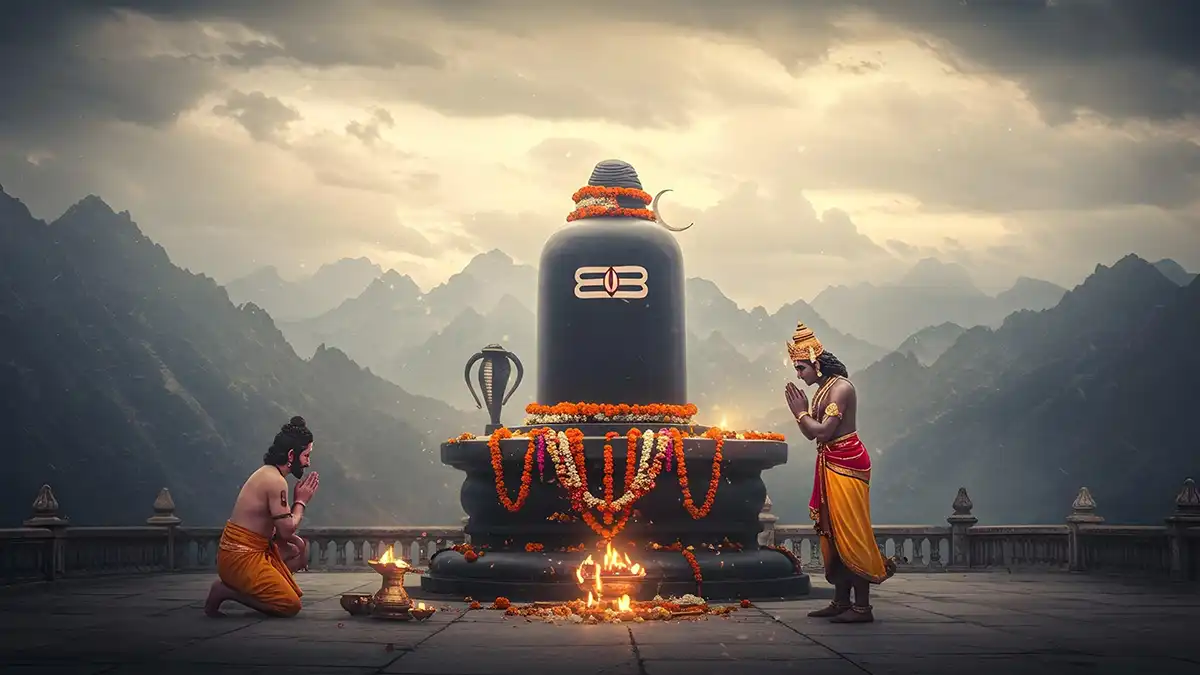
Hinduism is not just a religion; it is a way of life. Among numerous Hindu Gods and Goddesses, Lord Shiva is the Supreme God. For Shiva devotees in India, the 12 Jyotirlinga are known to be extremely holy and sacred. These divine pilgrimages feature powerful chants, ancient stones, and centuries of religion belief echo in the temple walls. These Jyotirlinga are not just some ordinary shrines; they represent Shiva in his purest form of light, eternal, formless, and timeless.
If you happen to be a Shiva devotee, then you must visit and explore the 12 Jyotirlinga at least once in your life. This is how you would be able to build an unshakable connection with the divine.
Understanding the Divine Power of the 12 Jyotirlinga
What is a Jyotirlinga?
A Jyotirlinga is a sacred site that shows Shiva through his eternal presence as an unending source of light. The mystical appearances of Shiva, which exist beyond time and space actualize through his celestial manifestations.
Ancient texts describe how Shiva revealed himself as a blazing column of light to settle a divine dispute, reminding gods and humans alike that he exists beyond form and time. It is very important for every Shiva devotee to know the 12 Jyotirlinga names.
Why 12 Jyotirlinga are Considered Divine?
Hindu scriptures identify twelve places where this divine light touched the Earth permanently. The sacred 12 Jyotirlinga consists of twelve temples, each possess their own distinct spiritual power, historical significance, and mythological stories. Devotees believe that visiting these shrines cleanses past karma and strengthens one’s spiritual path. One must have knowledge about the 12 Jyotirlinga Ame and place.
12 Jyotirlinga List
| No | Temple Name | Location (State) | Key Feature |
| 1 | Mallikarjuna | Andhra Pradesh | Located on Srisailam Mountain |
| 2 | Somnath | Gujrat | The First Jyotirlinga |
| 3 | Nageshwar | Gujrat | Protects from all poisons |
| 4 | Mahakaleshwar | Madhya Pradesh | South-facing |
| 5 | Kedarnath | Uttarakhand | Highest of the 12 |
| 6 | Omkareshwar | Madhya Pradesh | Situated on an Om-shaped island |
| 7 | Bhimashankar | Maharashtra | South of the Bhima River |
| 8 | Kashi Vishwanath | Uttar Pradesh | The Golden Temple of Varanasi |
| 9 | Baidyanath | Jharkhand | The Shrine of the Divine Physician |
| 10 | Trimbakeshwar | Maharashtra | Features a three-faced Lingam |
| 11 | Grishneshwar | Maharashtra | The Last Jyotirlinga |
| 12 | Rameshwaram | Tamil Nadu | Built by Lord Rama |
Exploring 12 Jyotirlinga Map
The 12 Jyotirlinga Map shows temple locations that extend across all types of geographical areas. The ancient Indian people used the written to travel between different regions and establish new cultural ties through their pilgrimage practice.
Just as websites like Aeonscope Insight help readers understand various complex ideas properly, this Jyotirlinga Map will also help you locate and visit these 12 Jyotirlinga as and when required.
1. Somnath Jyotirlinga
Somnath is an ancient temple which people consider to be a holy site of Lord Shiva worship. It is counted among the 12 Jyotirlingas of India. The temple stands near the vast Arabian Sea in Gujarat. The sound of sea waves makes the place calm and peaceful. People believe that Lord Shiva saved the Moon God here from a curse.
The Somnath temple holds many ancient tales about devotion. The temple faced multiple destructions throughout history, but devotees restored it with unshakable belief. The Somnath experience provides visitors with the majestic temple view and ocean sounds while they achieve spiritual closeness to Shiva.
How to Reach?
- By Air: Rajkot Airport, 200 km; Porbandar Airport, 120 km
- By Train: Somnath station is just 2–3 km away
- By Road: 400 km away from Ahmedabad
Best Time to Visit: October- February
Nearby Attractions: Triveni Sangam, Gita Mandir, Diu Island, Gir National Park
2. Mallikarjuna Jyotirlinga
The Mallikarjuna Jyotirlinga temple stands on the Shri Shaila Mountain next to the Krishna River. The temple demonstrates the union between Lord Shiva and Goddess Parvati. The devotees believe that Shiva and Parvati blessed their son Kartikeya from this location.
The temple’s location amid hills and forests creates a serene environment for spiritual practices. Pilgrims experience strong devotion and inner peace during their prayers at this site.
How to Reach?
- By Air: Hyderabad Airport is 200 km away
- By Train: Markapur Road station, about 85 km away
- By Road: Well-connected to Hyderabad and Kurnool
Best Time to Visit: October- March
Nearby Attractions: Pathala Ganga, Srisailam Dam, Akkamahadevi Caves
3. Mahakaleshwar Jyotirlinga
Mahakaleshwar Jyotirlinga stands as one of the strongest Shiva temples. The temple gained its popularity because the Shivling shows its southern face, which occurs in very uncommon instances.
People believe that Lord Shiva controls time at this location while he shields his followers from death and terrifying experiences. The Bhasma Aarti, which takes place in the early morning hours, draws thousands of worshippers who attend every single day.
Just like you get to access the latest movies on Movierulz 2024, devotees come daily to experience the eternal ritual of the Bhasma Aarti.
How to Reach?
- By Air: Indore Airport is just 55 km away
- By Train: Ujjain Junction, near the temple
- By Road: Connected to Bhopal and Indore
Best Time to Visit: October-March
Nearby Attractions: Kal Bhairav Temple, Ram Ghat, Ved Shala
4. Omkareshwar Jyotirlinga
The Omkareshwar Jyotirlinga temple stands on a sacred island that takes the shape of the sacred Om symbol. The Narmada River flows around the island, creating a divine atmosphere. Devotees believe worship here removes sins and brings peace to the soul. The temple displays a beautiful connection between nature and spiritual elements.
On a slightly different note, you can decide to explore Buzmis com to get knowledgeable stuff.
How to Reach?
- By Air: Indore Airport
- By Train: Omkareshwar Road station is 12 km away
- By Road: 77 km from Indore
Best Time to Visit: October- March
Nearby Attractions: Narmada Ghat, Mamleshwar Temple, Siddhanath Temple
5. Kedarnath Jyotirlinga
The Kedarnath Jyotirlinga temple exists at an elevation that tests the devotion of every visitor who comes to worship. The temple area gets enveloped by snow-covered mountains, which create an intense spiritual atmosphere.
The Pandavas constructed this temple because they wanted to obtain forgiveness from Lord Shiva. The path to this location proves challenging, yet devotees experience divine blessings upon their arrival.
How to Reach?
- By Air: Dehradun Airport is 239 km away
- By Train: Rishikesh is about 216 km away
- By Road: Trek from Gaurikund (16 km)
Best Time to Visit: May- June, September- October
Nearby Attractions: Vasuki Tal, Bhairavnath Temple
6. Bhimashankar Jyotirlinga
The Bhimashankar Jyotirlinga temple exists within the dense forest area of the Sahyadri mountain range. The temple site marks the location where Lord Shiva defeated the demon Bhima, according to traditional stories. The temple area offers a peaceful experience because it is surrounded by green plants, flowing rivers, and wild animals.
How to Reach?
- By Air: Pune Airport
- By Train: Pune Railway Station
- By Road: 110 km from Pune
Best Time to Visit: October- February
Nearby Attractions: Hanuman Lake, Bhimashankar Wildlife Sanctuary
7. Kashi Vishwanath Jyotirlinga
Kashi Vishwanath Jyotirlinga functions as one of the most sacred temples within Hinduism. The belief exists that death in Kashi results in freedom from all earthly ties. The temple exists close to the sacred Ganga River. The devotees experience intense spiritual power when they chant Shiva’s name at this location.
How to Reach?
- By Air: Lal Bahadur Shastri Airport
- By Train: Varanasi Junction
- By Road: Well-connected within the city
Best Time to Visit: October- March
Nearby Attractions: Sarnath, Dashashwamedh Ghat, Ganga Aarti
8. Trimbakeshwar Jyotirlinga
The Trimbakeshwar Jyotirlinga temple features a three-faced Shivling that shows the three Hindu deities Brahma, Vishnu, and Shiva. The Godavari River begins near this temple. Many people perform rituals for ancestors here.
How to Reach?
- By Air: Nashik Airport
- By Train: Nashik Road station
- By Road: 28 km from Nashik
Best Time to Visit: October- March
Nearby Attractions: Kushavarta Kund, Brahmagiri Hills
9. Vaidyanath Jyotirlinga
Vaidyanath Jyotirlinga serves as the healing manifestation of Lord Shiva. The devotees believe that Shiva healed Ravana at this location. People visit this temple to pray for their health.
How to Reach?
- By Air: Ranchi Airport, 195 km
- By Train: Jasidih Junction, 7 km
- By Road: Connected to nearby towns
Best Time to Visit: October- March
Nearby Attractions: Shiv Ganga, Naulakha Mandir
10. Nageshwar Jyotirlinga
Nageshwar Jyotirlinga represents Shiva’s ability to defend his followers from all forms of evil. The temple features an extensive Shiva statue that creates a tranquil atmosphere throughout its grounds. Devotees believe that worshipping at this site will eliminate all their fear and negative emotions.
How to Reach?
- By Air: Jamnagar Airport, 137 km
- By Train: Dwarka station
- By Road: 17 km from Dwarka
Best Time to Visit: October- February
Nearby Attractions: Gomti Ghat, Dwarkadhish Temple,
11. Rameshwaram Jyotirlinga
Rameshwaram Jyotirlinga connects Lord Shiva and Lord Rama. It is believed Rama worshipped Shiva here before going to Lanka. The temple contains extensive hallways and holy water storage facilities.
How to Reach?
- By Air: Madurai Airport, 170 km
- By Train: Rameshwaram station
- By Road: Connected to Madurai
Best Time to Visit: October- April
Nearby Attractions: Agni Theertham, Dhanushkodi
12. Grishneshwar Jyotirlinga
The Grishneshwar Jyotirlinga temple marks the final of the twelve established Jyotirlinga sites. The temple demonstrates that authentic dedication leads to Shiva’s divine grace. The temple stands near the famous Ellora Caves and offers a calm spiritual experience.
How to Reach?
- By Air: Aurangabad Airport
- By Train: Aurangabad station
- By Road: 30 km from Aurangabad
Best Time to Visit: October- March
Nearby Attractions: Daulatabad Fort, Ellora Caves
Why Every Devotee Must Undertake This Journey?
A pilgrimage to the 12 Jyotirlinga is often considered the ultimate goal for a Shaivite. People believe that visiting these temples cleanses the soul and clears the path to Moksha (liberation). You can feel the energy that exists at these locations.
Ancient sages chose these spots based on precise spiritual and geographical alignments. The sanctum sanctorum of these temples creates a vibration that produces both mental peace and spiritual awakening. Your journey will evaluate your physical limits while it provides you with spiritual fulfillment.
Essential Travel Tips for Consider
Book Accommodation in Advance
These sites attract thousands of people daily. You must book your accommodation close to the temple because you need to attend the Aartis, which occur at dawn.
Dress Code
Most Jyotirlinga temples follow a strict dress code. Traditional Indian attire, like dhotis for men and sarees or suits for women, is generally preferred.
Physical Fitness
People need to walk or trek to reach Kedarnath and Bhimashankar. Start a basic exercise routine a few weeks before your trip.
Health Precautions
Travelers need to bring essential medications, and they should maintain hydration throughout their trip in South and Central India’s tropical regions.
Conclusion
The 12 Jyotirlinga tour represents a religious milestone that brings transformative power to those who complete it. Shiva maintains his constant presence between the cold northern winds and the southern salty breeze. The guide will motivate you to begin your journey by packing your belongings for the sacred route. The journey will bring you three things: peace, grace, and the everlasting light of Mahadev.
FAQs (Frequently Asked Questions)
Q1. How many temples are included in the 12 Jyotirlinga?
India contains twelve holy Jyotirlinga temples, which function as sacred sites.
Q2. Who worships the Jyotirlinga temples?
The temples dedicated to Lord Shiva receive worship from devotees who show deep respect.
Q3. What is special about the 12 Jyotirlinga Map?
The map displays the divine distribution of Shiva’s presence throughout the entire country.
Q4. Is Trimbakeshwar part of the Jyotirlinga pilgrimage?
The sacred site of Trimbakeshwar qualifies as one of the twelve Jyotirlingas.
Q5. Why do devotees visit Grishneshwar?
The Grishneshwar Jyotirlinga represents a form of devotion that receives divine rewards.