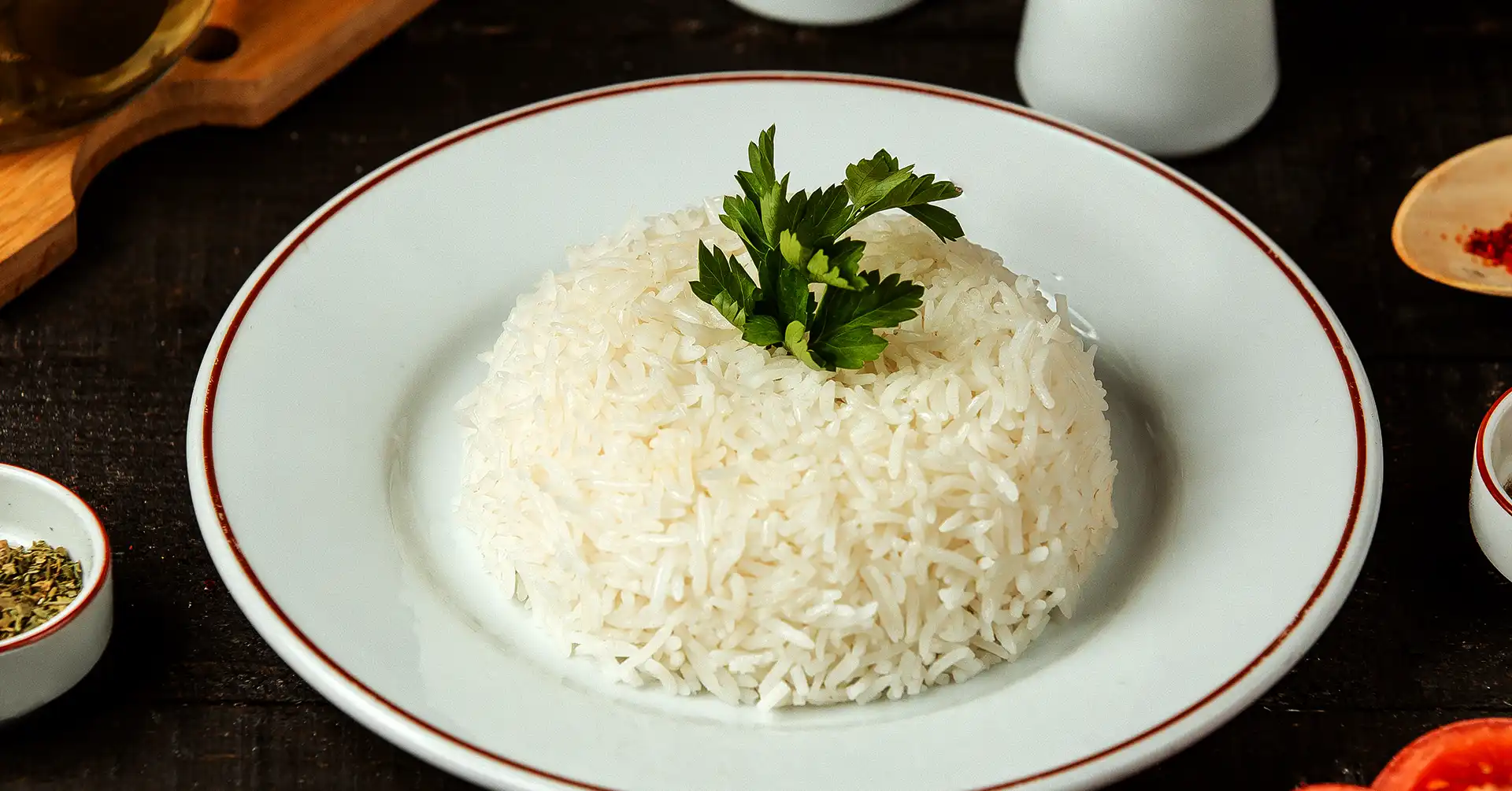
Rice is the most popular food in the world, but it’s also one of the hardest to cook well. We’ve all been there: You might find a sticky, overdone mess or a pot of grains that are still crispy in the middle when you lift the lid. A reliable white rice recipe is a basic technique that every home cook should know. You may use it as a base for a stir-fry, serve it with a hot curry, or just enjoy it as a simple side dish.
This complete tutorial will explain the science behind the ideal grain. Here is how to cook white rice correctly every time, from the basic “knuckle trick” to the specific timing of an Instant Pot. You will feel like a skilled chef when you handle this simple but important grain by the conclusion of this deep dive.
1. The Science of the Grain: Why Different Types Are Important
You need to know that not all white rice is the same before you ever touch a pot. Choosing the correct kind of white rice recipe for the meal you want to make is the first step to making it well.
Long-Grain White Rice (Basmati, Jasmine)
This is what most Western and South Asian foods should taste like. These grains are long and thin. They stay separate and fluffy after cooking because they have more amylose, which is a form of starch. Long-grain rice is the ideal type of white rice to use if you want grains that are separate and not sticky.
White Rice with Medium Grains
Medium grains are shorter and wider than other grains. They are soft and wet, and they tend to stick together a little. These are great for situations where you want some “clump,” like several Mediterranean or Korean cuisines.
Sushi Rice (Short-Grain White Rice)
Short grains are almost as wide as they are long. They are highly sticky because they have a lot of amylopectin in them. A recipe for sushi or rice pudding with white rice will always call for short-grain rice so that the rice keeps its shape when molded.
2. The Gold Standard: A White Rice Recipe on the Stovetop
The basic technique to cook rice is on the stove. Many people are afraid of the pot, but the secret is in two things: the ratio and the “no-peeking” rule. This is the basis of any great home cook’s skills.
The Ideal Amount
For regular long-grain white rice recipe, the best ratio is 1 cup of rice to 1.5 cups of water. Older cookbooks generally say to use a 1:2 ratio, but recent kitchen tests demonstrate that 1.5 cups of water keeps the rice from being mushy or soggy. If you add too much water, the starch will break down too much, making the mixture look like paste.
Instructions for the stovetop, step by step:
- Wash the rice: This is the most critical part of any white rice recipe. Put your rice in a fine-mesh strainer and rinse it with cold water for 30 to 60 seconds. You want the water to go from cloudy white to almost clear. This gets rid of the starch on the surface, which is what makes rice sticky and gummy.
- Bring the water to a boil: In a medium saucepan, bring 1.5 cups of water and a pinch of salt to a boil. A heavy-bottomed pot is better since it spreads the heat more evenly.
- Simmer: Put the rinsed rice in the water that is already boiling. Stir once, and only once, to make sure that no grains are stuck to the bottom. As soon as you can, turn down the heat to the lowest setting and put on a lid that fits tightly.
- The Wait: Let it cook for 15 to 18 minutes without stirring. Don’t open the lid! Taking off the cover lets the steam and pressure out, which cooks the grains uniformly from top to bottom.
- The Rest: Take the pot off the heat and let it sit for 10 minutes, still covered. The “secret sauce” of a skilled white rice recipe is this time to rest. It lets the liquid move around in the grains, so the bottom layer doesn’t get soggy while the top stays dry.
- Fluff and Serve: Use a fork or rice paddle to gently fluff the grains. Don’t use too much force; you want to separate the grains, not mash them.
3. The Rice Cooker: The Best Way to Do It
If you make white rice a few times a week, a rice cooker is worth the money. It takes the guesswork out of controlling the temperature and time.
- Use the measuring cup that came with your machine for the ratio. Most machines function best with a 1:1 ratio of rinsed rice to water because the seal is so good that very little steam gets out during the operation.
- Method: Just put your rinsed rice and water in the inner pot, hit the “Cook” button, and leave.
- The good thing is that a rice cooker has a heat sensor. The pot’s temperature starts to increase above 212°F (100°C) once all the water has been absorbed. The sensor picks up on this adjustment and instantly switches to “Keep Warm,” which keeps your white rice recipe from burning.
4. The Quick Way: Recipe for White Rice in an Instant Pot
For people who are in a hurry, the Instant Pot (or any electric pressure cooker) is a game-changer. There is no evaporation because the environment is entirely sealed under pressure. This affects the calculations for your white rice recipe.
How to do it:
- Ratio: Stick to a strict 1:1 ratio, such 1 cup of rice to 1 cup of water.
- Set the Instant Pot to “Manual” or “Pressure Cook” on High Pressure for 4 minutes.
- Release: Give it 10 minutes to naturally release pressure (NPR). If you let the pressure out right away (Quick Release), the rice grains may break because of the sudden shift in pressure, which would spoil the texture.
- As a result, this white rice recipe makes grains that are distinct and al dente, which makes them very strong and great for fried rice or heavy stews.
5. The “Knuckle Trick”: A Piece of Old Advice
Before measuring cups were standardized, a lot of Asian families utilized the “Knuckle Trick” to figure out how much water to use for their white rice recipe preparation.
Put the rice you rinsed into a pot.
Use your hand to level the rice
Put the tip of your index finger on the rice’s surface.
Put in enough water so that it covers the first joint (knuckle) of your index finger.
This method works no matter how much rice you are cooking, as long as you are using a pot that is the right size. It is still one of the most common casual ways to make a white rice recipe around the world.
6. Five Common Mistakes That Make Your Rice Fail
If you’ve tried every recipe for white rice and still can’t get it right, you might be making one of these common mistakes:
- Mistake 1: Not rinsing
As was said, rinsing gets rid of extra starch. If you don’t do this, the starch will turn into a “glue” that holds the grains together when it becomes hot.
- Mistake 2: Looking or stirring
You lose roughly 5–10 degrees of heat and a lot of steam every time you lift the lid. This makes the cooking time longer and makes the grains cook unevenly. Stirring is even worse since it fractures the grains and lets out additional starch.
- Mistake 3: Not adding salt to the water
Rice is like a blank canvas. A basic recipe for white rice calls for water, but adding a half-teaspoon of salt or a knob of butter to the boiling water makes it taste much better.
- Mistake 4: Using the Wrong Pot
If you use a pot with a thin bottom, it will make “hot spots” that will burn the rice at the bottom and leave it raw at the top. To make a good white rice recipe, you need a heavy-duty saucepan or a non-stick rice cooker pot.
- Mistake 5: Cooking at a Too High Temperature
The water should be just starting to boil. Your pans will burn and the grains will be crunchy if the heat is too high because the water will evaporate before the rice has a chance to soften.
7. What White Rice Is Good For
- People frequently say that brown rice is good for you because it has fiber, but a good recipe for white rice has its own benefits. Easy to Digest: People with digestive problems are typically told to eat it (the BRAT diet).
- Gluten-Free: A safe food for people with Celiac disease or gluten intolerance.
- Energy Dense: It has fast-burning carbs, which makes it a great meal before or after an exercise.
- A lot of people in 2026 use bone broth instead of water in their white rice recipe to add more collagen and minerals to the dish.
8. Summary Table: White Rice Cooking Methods
| Method | Ratio (Rice:Water) | Active Cook Time | Total Time |
| Stovetop | 1 : 1.5 | 15 – 18 min | 30 min |
| Rice Cooker | 1 : 1 | Automatic | ~25 min |
| Instant Pot | 1 : 1 | 4 min (High) | 25 min (inc. NPR) |
| Microwave | 1 : 2 | 12 – 15 min | 25 min |
| Oven Baked | 1 : 2 | 30 min | 40 min |
9. Adding flavors and infusions to your white rice recipe to make it better
- Once you know how to make basic white rice, you can add spices to the pot to go with your main dish. This is how to change a “side dish” into a “standout dish.”
- The Aromatic Trio: For Indian-style fragrant rice, add a bay leaf, two green cardamom pods, and a little cinnamon stick to the water.
- For coconut rice, use full-fat canned coconut milk instead of half of the water in your white rice recipe. Add a little honey.
- Garlic Ginger: Before you add the rice and water, heat some sesame oil in the pot and cook the minced garlic and ginger in it.
- Pilaf Style: For two minutes, cook the dry rice in butter before adding water. This toasts the starch, which makes your white rice recipe taste deeper and nuttier.
10. Why “The Rest” is Important
This guide has one main point that you should remember: You have to take a 10-minute break. When the rice is done cooking, the water is mostly in the middle of the pot and the middle of the grains. The grains are weak and break easily if you fluff them right away. Letting the saucepan sit off the heat lets the steam continue cooking the food slowly. This is what makes a “good” white rice recipe different from a “perfect” one.
11. Safety Note: How to Store and Reheat Leftover Rice
If you don’t handle cooked rice properly, it can be dangerous. Bacillus cereus spores can live in rice, even after it has been cooked. If you leave cooked rice out at room temperature for too long, these spores can turn into bacteria that make you sick.
To keep your white rice recipe leftovers safe:
- Cool Quickly: To cool the rice down quickly, spread it out on a baking pan.
- Get it in the fridge right away: Put it in the fridge within an hour of cooking.
- Reheat all the way: Reheat until it’s steaming hot, at least 165°F. Adding a little water before microwaving helps bring back the moisture.
- The 4-Day Rule says you shouldn’t keep leftover rice for more than four days.
12. Fixing problems with your white rice recipe
“My rice is too hard!”
- This signifies that the rice wasn’t done cooking before the water evaporated. Cover firmly and let it simmer on low for another 5 minutes after adding 2 tablespoons of hot water.My rice is too soft!
- You probably added too much water or mixed it too much. You can’t “un-mush” rice, but you can make fried rice out of it (which dries it out) or use it in soup or congee to rescue the meal.The bottom of the rice gets burned!
- Your heat was too high. Make sure you use the smallest burner on your stove at its lowest setting the next time you try to make white rice.
13. Advanced: The Persian “Tahdig” Method
If you are looking for a dish that will test your limits, the Persian Tahdig is the most challenging dish for white rice. In this method, the rice is cooked until it reaches the halfway point, and then it is steamed in a pot that has oil and saffron on the bottom. This results in a crust that is crunchy and golden in color. It is said by a significant number of individuals that this is the best method for cooking white rice.
14. Conclusion: The more you do it, the better you get
The best way to make white rice is to be consistent and respect the grain, whether you use the old-fashioned stovetop method, the new pressure cooker method, or the trusty rice cooker. Don’t forget the 1:1.5 ratio for the stove, always rinse, and most importantly, keep the lid on!
Rice is not merely a side dish; rather, it serves as the foundation for all of the tastes that are found around the world. Once you have completed this master instruction, you will now be able to prepare a dish consisting of white rice that would leave any expert chef in awe.