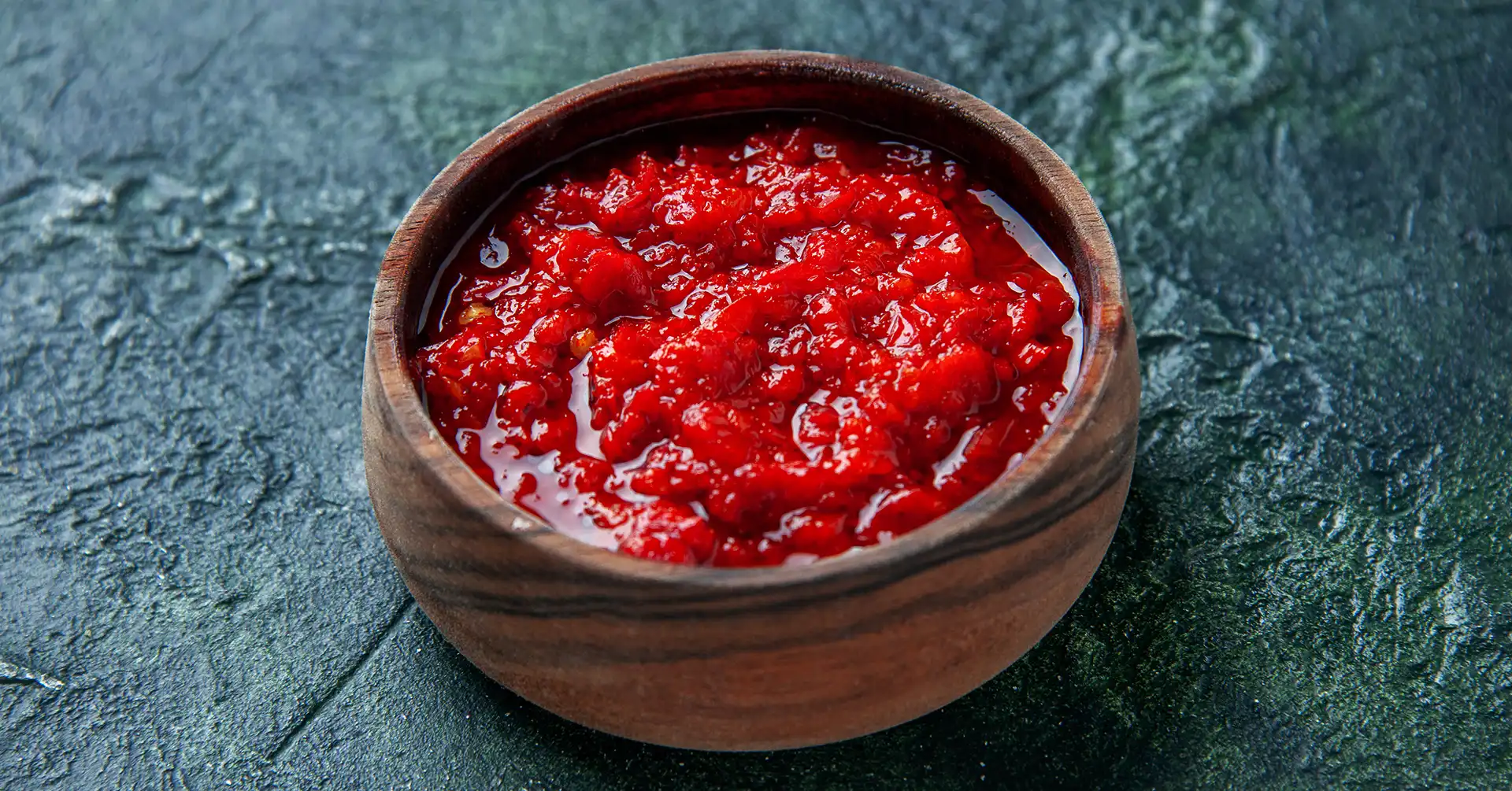
The use of harissa paste is the one item that has the potential to immediately transform an ordinary supper into a culinary masterpiece in the kitchen. The most essential component of Tunisian and North African cuisine is the condiment, which is characterized by its fiery, smoky, and extremely fragrant qualities. Quite frequently, it is referred to as the “Sriracha of the Middle East.” When it comes to the kitchen, a good jar of harissa is an absolute necessity. You may use it to make a tagine, rub it over roasted chicken, or simply put it on your eggs in the morning. All of these options are available to you.
In the year 2026, it is possible to acquire it easily in supermarkets; but, the flavor of a homemade version is not comparable to anything else. Jars purchased from the store generally include an excessive amount of vinegar or preservatives, which prevents the intricate dance of spices and chilies from being made visible. When you produce your own harissa paste at home, you have the ability to experiment with different levels of heat, smokiness, and texture.
In the following guide, we will discuss the history of this “red gold,” the fundamental components that you will require, and a foolproof method for creating your very own one-of-a-kind mixture.
1. Is there a specific definition of Harissa Paste?
The word “harasa” comes from the Arabic verb “harasa,” which can be translated as “to crush” or “to pound.” In the beginning, it was from Tunisia. Traditionally, people would use a mortar and pestle to prepare the paste by hand. This is how it was usually done.
At its most fundamental level, harissa paste is a concentrated mixture of the following ingredients:
- For the most part, dried chiles are a combination of sweet, smoky, and hot varieties.
- It is the garlic that imparts that robust and flavorful flavor.
- To maintain the paste’s freshness and to transport the tastes, olive oil is used.
- The spices that have a warming effect are caraway, cumin, and coriander.
The “knowledge, know-how, and culinary and social practices” of Tunisian harissa were officially added to the list of the Intangible Cultural Heritage of Humanity by the United Nations Educational, Scientific, and Cultural Organization in the year 2022. While making harissa paste, you are doing more than just making a sauce; you are also participating in a ritual that has been going on for the previous five hundred years.
2. The Essential Components of the Ideal Do-It-Yourself Blend
In order to make authentic harissa paste, it is essential to find the appropriate proportions. You’re not just looking for “heat”; you’re thinking about “depth.” Everything you will require for a typical batch is included in this list:
It is the Peppers
- A flavor profile that is both spicy and sweet can be achieved by using a combination of dried peppers. For the best results, use the following:
- When used as a foundation, guajillo or ancho peppers produce a flavor that is sweet, fruity, and reminiscent of raisins.
- The crisp and spicy kick is provided by Chiles de Árbol, also known as Thai Bird’s Eye.
- If you want a flavor that is deep and smokey, adding one or two dried chipotles will completely change the game. Chipotle is an optional ingredient.
Spices Constituting the “Trinity”
- Ensure that you do not skip the stage of toasting these seeds, as this brings out the oils that are responsible for the distinctive aroma of harissa paste:
- In order to impart a more earthy flavor, cumin seeds are used.
- Coriander seeds impart a flavor that is both floral and zesty.
- Caraway seeds are the “secret ingredient” that adds a genuine Tunisian taste to the dish being prepared.
The Odors and Acids in These
- For each batch of fresh garlic, you should use more than you think between six and eight cloves.
- The acidity that is added by lemon juice helps to cut through the oil and the heat.
- For the purpose of enhancing the flavors of everything else, sea salt is used.
3. The Step-by-Step Guide to Mashing Harissa Paste
It takes around forty-five minutes to complete this do-it-yourself method from beginning to end, and a significant portion of that time is spent allowing the peppers to soak.
The first step is to prepare the chiles
The seeds of the dried chilies should be shaken off once the stems have been removed. Be sure to remove all of the seeds from the harissa paste in order to reduce the level of heat. Place the peppers in a basin that is able to withstand heat, and then pour boiling water over them at the same time. They should be allowed to soak for twenty to thirty minutes, or until they become pliable and soft.
Toasted spices are the second step
During the time that the peppers are soaking, place your cumin, coriander, and caraway seeds in a skillet that is dry and set it over medium heat. They should be toasted for two to three minutes, with the pan being shaken constantly, until they have a pleasant aroma and become somewhat darker. When they have reached the desired temperature, place them in a spice grinder or a mortar and pestle and pound them into a powder.
Third step The Mixing Process
Once the chilies have been removed from the water, set aside one tablespoon of the liquid that they were soaking in. In a food processor, combine the chilies that have been softened, the ground spices, the garlic, the lemon juice, and the salt.
The fourth step is to incorporate the oil
During the time that the machine is operating, gradually include three to four tablespoons of extra-virgin olive oil of superior quality. Continuously blend the harissa paste until it reaches the desired consistency for you. There are those who prefer it to be a touch chunky and rustic, while there are others who prefer it to be smooth and velvety.
4. Why are there two thousand words? In-Depth Exploration of the Chemical Composition of Flavor
We need to educate ourselves on the science of capsaicin and the process of toasting spices in order to truly obtain harissa paste. It is simple to prepare a sauce, but it is challenging to leave a legacy behind. During the process of toasting the caraway and coriander seeds, the Maillard reaction is initiated. That distinctive flavor that is characteristic of browned food is the result of a chemical reaction that takes place between amino acids and reducing sugars. This is what differentiates a good harissa paste from a poor one in terms of excellence.
This process of soaking dried chilies in water does more than just make them more pliable. The cells in the pepper’s skin need to be opened up in order to do this. When you soak the peppers in boiling water, the oils that are contained within them become more accessible to the blades of your food processor. These oils are responsible for retaining the heat and flavor of the peppers. In this way, you can be certain that each and every molecule of your harissa paste is bursting with flavor.
5. Differences Across Regions: Tunisia Is Not the Only Country
- Even though Tunisia is the epicenter of the Mediterranean region, the concept of a paste made of chile, garlic, and oil is present throughout the region. Through an understanding of these distinctions, you will be able to create your own harissa paste.
- As a result of the Moroccan influence, it frequently contains more cumin and, on occasion, even a little cinnamon or cloves, which contribute to a more warming and sweeter flavor.
- The Libyan Version: This version is well-known for its degree of heat and frequently makes use of a greater quantity of bird’s eye chilies.
- Over the past several years, “Rose Harissa” has amassed a significant amount of popularity in the world of culinary arts. It is considered to be the chef’s favorite. Adding a teaspoon of rosewater and some crushed dried rose petals to your harissa paste will give it a lovely top note that cuts through the heaviness of lamb or beef.
6. Modern Changes: In 2026, it’s more than just the basics
Once you know how to make harissa paste, you may try out these modern versions that are very popular:
- To make the harissa “looser” and sweeter, add one peeled and seeded roasted red bell pepper. This makes it less hot and more like a dip.
- In place of lemon juice, use one tablespoon of preserved lemon peel that has been finely minced. This will result in a citrus punch that is rich in umami and salt, and it will be difficult to stop eating it.
- A twist on smoked paprika: If you are unable to get dried smoky peppers, you can give your harissa paste the flavor of wood-fired cooking by adding a tablespoon of high-quality pimentón, which is Spanish smoked paprika.
7. How to Maintain the Quality of Your “Red Gold”
Considering that homemade harissa paste contains both fresh garlic and lemon juice, it is essential that it be maintained in the appropriate manner in order to prevent it from going bad and to maintain its vibrant red color.
- To create the oil seal, place the paste in a jar made of clean glass. A spoon should be used to create a level surface on top, and then a thin layer of olive oil should be poured over it. Using this “seal” prevents air from entering the paste, which in turn prevents mold and oxidation from occurring.
- Your jar should always be kept in the refrigerator. For as long as four weeks, it will remain in a delectable state.
- When you have made a large quantity of harissa paste, you can store it in an ice cube tray and freeze it off. After the cubes have frozen, place them in a bag that may be refrigerated. In addition to having a shelf life of six months, they are the ideal size for adding to a pot of soup.
8. 10 Creative Ways to Use Your Harissa Paste
If you’ve got a jar of harissa paste in the fridge, you’re never more than ten minutes away from an incredible meal. Here are ten ways to use it:
| Dish | Usage Method |
| Roasted Veggies | Toss carrots or cauliflower in oil and harissa before roasting. |
| Spicy Hummus | Swirl a tablespoon into your favorite chickpea dip. |
| Morning Eggs | Use it as the base for a fiery Shakshuka. |
| Yogurt Marinade | Mix with Greek yogurt for the ultimate chicken marinade. |
| Pasta Sauce | Add a teaspoon to your Arrabbiata for extra smokiness. |
| Harissa Butter | Whip into room-temperature butter for the best steak topping ever. |
| Soup Booster | A dollop in lentil or tomato soup adds instant depth. |
| Sandwich Spread | Mix with mayo for a spicy sandwich kick. |
| Fish Rub | Rub on salmon or white fish before pan-searing. |
| Rice Flavoring | Stir a teaspoon into the water before boiling your rice. |
9. Resolving issues with your own harissa Recipe
In some cases, the harissa paste you make might not turn out the way you had hoped it would. Fixing typical issues can be done in this manner:
- Is it too hot? To reduce the level of heat, you may either add a little bit more olive oil and lemon juice, or you can add extra roasted red bell peppers.
- Is it too sour? The spices were presumably roasted for an excessive amount. In order to make it more even, you can add a little bit of honey or sugar.
- If the consistency is too thick, add a tablespoon of the liquid that was used to soak the chile or additional olive oil until it is readily incorporated.
- Doesn’t Go Far Enough? Incorporate an additional clove of raw garlic or a little amount of additional caraway seeds.
10. The health benefits of creating your own harissa and how it can be consumed
- In addition to having a delicious flavor, harissa paste is an excellent source of various nutrients.
- Capsaicin, which is found in chili peppers, is thought to have the ability to naturally relieve pain and speed up the metabolism.
- There are sulfur molecules in garlic that are beneficial to the immune system.
- Olive oil contains monounsaturated lipids, which are beneficial to the cardiovascular system.
- No preservatives: If you make it yourself, you won’t have to worry with the high levels of sodium and sugar that are found in many brands that are sold in stores.
11. To sum everything up, a jar full of memories?
The process of making harissa paste at home is more than simply a kitchen trick; it is a chance to connect with a lengthy history of cooking and to take complete control of your cabinet. The use of a few ordinary pantry goods, such as dried peppers, spices, and oil, can be used to manufacture a condiment that is significantly more intricate than any condiment that can be purchased from a store.
The fact that your homemade harissa paste improves with time is one of the many advantages of producing it yourself. As you continue to learn how to cook it, you will become more skilled at determining the appropriate quantity of smoke and heat. You will receive information regarding the amount of garlic that your family enjoys, as well as whether you prefer the zesty punch of preserved lemon or the aromatic overtones of rose.
Clean out some space in your refrigerator, and get your blender ready to go. Your journey into the heart of North African flavor begins with this one jar of harissa paste, which is the first step on your journey.