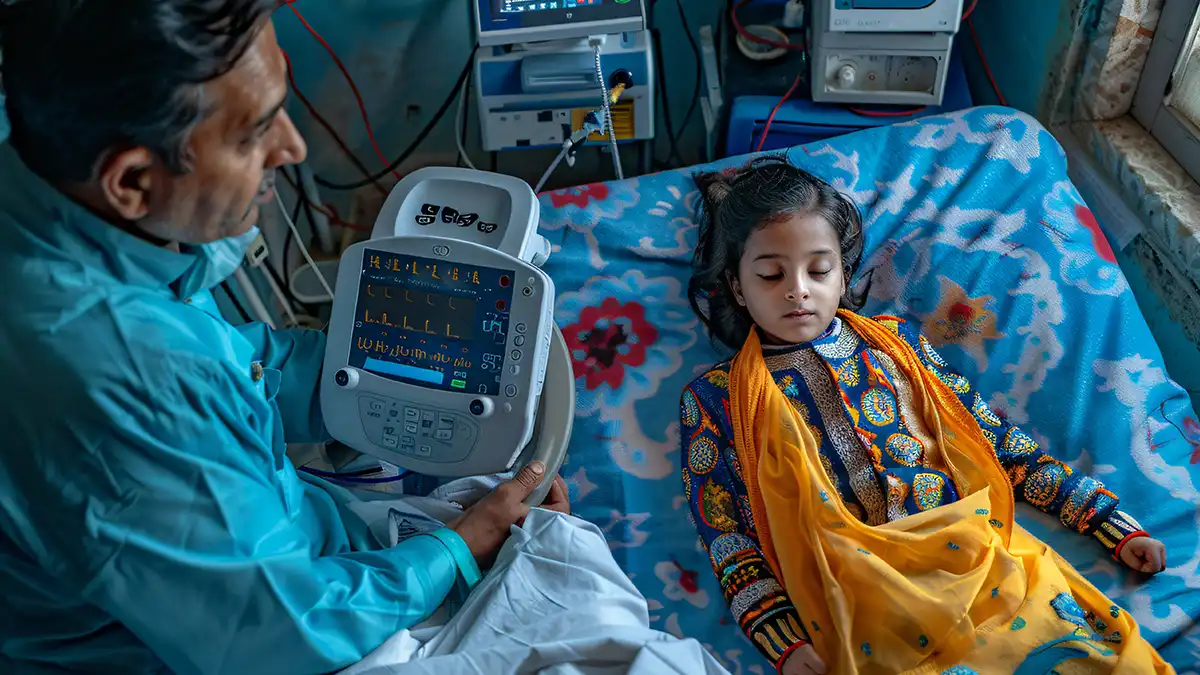
The Covid-19 pandemic was one of the deadliest pandemics that the generations have witnessed in the 21st century. However, as the world defeated it and stepped into 2025, there were cases of a new epidemic causing a situation in China- the HMPV cases. This has not only raised a good amount of public caution but has also raised several questions about the way global healthcare systems are operating. In this article, we will be decoding everything about the HMPV cases in India and help you understand whether a danger is looming large or not. So, keep reading the article till the end to decode.
What exactly is HMPV?
With the COVID-19 pandemic, it has become clear that the world has tackled a good number of pandemic-causing situations. In the recent times, the HMPV is a situation which has been catching the attention of a lot of the world population, considering that it is now changing the way people view any epidemic-causing situation.
There have been recent comparisons with the SARS-CoV-2 (the virus that causes COVID-19) and sharing several similarities (as both affect the respiratory systems and cause COVID-19-like symptoms); however, HMPV comes from a much different viral family, and this is something which not at all new.
As most people are likely to be infected with HMPV early in life, experts maintain that the virus does not pose an unusual threat. While reinfections are possible, partial immunity from broad past exposure can usually reduce the severity and potentially lessen the possibility of major epidemics. It is also necessary to note that the recent rise in HMPV cases in China fits seasonal patterns as well as higher awareness and testing. So far, health authorities, including the World Health Organization (WHO), have not highlighted any threats of a pandemic due to HMPV.
However, one thing that has caught the attention of most of the healthcare researchers and those who have an in-depth understanding of healthcare is that the HMPV infections are not something that can lead to some of the serious complications, particularly among children and the elders. Secondly, with India’s dense population, the spread of the respiratory viruses also needs a cause for concern nevertheless. Thus, its increasing incidence and the absence of specific antiviral treatments or vaccines necessitate immediate attention.
Symptoms to Look out for
One of the most important things that every Indian needs to be aware of about the recent cases of HMPV is the symptoms. Knowing the symptoms early will be helpful in timely treatment and also provide speedy treatment.
Here are the symptoms that everyone needs to know if they are potentially in a situation where there can be a rise in the HMPV cases in India:
Fever
Fever is one of the topmost symptoms that can be experienced by anyone who will be having a potential hazard of falling victim to the HMPV case in India
Runny or Stuffy Nose
This is another one of the symptoms that can be noticed when dealing with the HMPV cases in India. A frequently runny nose can be quite alarming as it can indicate the impact of the infection.
Cough
This is another one of the top symptoms that can be seen in the potential HMPV cases in India. If you are having a dry or a persistent cough, then it’s time to take the right medications and also visit the doctor within the said time.
Sore Throat
This is another symptom that can be seen in the HMPV cases in India. The irritation or the pain in the throat can make swallowing quite an uncomfortable task. Hence, it is important to understand thata sore throat is the main cause of HMPV rise in India, as it is one of the most common symptoms that can be found.
Fatigue
This is another one of the symptoms that can be seen in the HMPV cases in India. There can be general feelings of tiredness and also quite a good amount of energy drain. This can additionally lead to the suspicion of having HMPV.
Shortness of Breath
This is another one of the most common symptoms that can be seen in the HMPV cases in India. Most of the ones who are affected by a cold can be seen with the common symptom of shortness of breath. This essentially occurs because of the inflamed airways that pose a significant threat to the difficulty in breathing.
Wheezing
This is a high-pitched whistling sound which can be heard during breathing and also during airway obstruction, thus suggesting a strong indication of having a HMPV case potentially
These are some of the most important symptoms that everyone needs to keep in mind as the world might have to prepare for any kind of pandemic-like situation in the future. With these symptoms in place, the population needs to have a clear understanding of when they need to visit the doctor and take timely medication to combat this potentially rise in the HMPV cases in India.
Wondering how the HMPV cases in India might look like if this kind of an epidemic situation emerges. Head to the next section of the article to decode.
How does India’s Current Healthcare Structure Look Like?
The healthcare structure of India has recently made some strides that have significantly affected the way Indians are viewing these kinds of epidemic-centric situations. However, there are many developments that are yet to be announced and implemented, and also applied when it comes to tackling the real-world challenges.
There are still some of the long-standing challenges that continue to persist in the healthcare structure wchcih includes inequitable distribution of resources, inadequate healthcare personnel, and limited access to advanced diagnostic tools in areas beyond urban clusters.
Additionally, to manage the HMPV cases, there is a need for early detection, and the symptomatic treatment is quite critical. While the urban areas still continue to benefit from the diagnostic labs and the intensive care units, semi-urban and rural areas often lack such facilities. It’s important to note here that these are the facilities that are set up considering the modern healthcare infrastructure, and also are a good aid to the healthcare industry of our country.
This disparity could hamper the timely identification and management of potential outbreaks, especially in regions with limited healthcare access.
Additionally, the lack of routine surveillance for HMPV cases in India poses another considerable challenge. Unlike influenza or COVID-19, HMPV is not yet a notifiable disease in India, which can lead to gaps in data collection and epidemiological understanding.
While the HMPV cases in India are not yet something that the netizens need to be concerned about, it’s still a good concern for those who has commorbidies.
Top Lessons that India has Learned from the Covid-19 Pandemic
The COVID-19 pandemic opened the eyes of the country’s healthcare ministry to fortifying the healthcare structure of our country. It has also helped us in understanding the areas where our Health Ministry can actively give a refreshed look to understand the need for improvement.
Here are the top lessons that were learned by the healthcare industry in our country, and potentially will be helpful in tackling the HMPV cases in India:
Routine Respiratory Illness Surveillance
One of the top lessons that the Covid-19 pandemic has taught the netizens of our country is to include the routine respiratory illness surveillance.
This is an extremely valuable lesson to understand the epidemiological insights and also the targeted interventions.
Public Awareness Campaigns
This is another one of the top lessons that has been given by the COVID-19 pandemic. The public awareness campaign is basically for educating the communities about the precautionary hygiene practices, the importance of early medical consultation, and the risks associated with HMPV to reduce transmission and improve outcomes.
Healthcare Workers Training
This is another significant lesson that is being taught by the COVID-19 pandemic. A crucial one that can become helpful in potentially tackling the HMPV cases in India. The area where the Healthcare workers need to be essentially trained is in the identification and management of the HMPV cases, especially in rural areas.
Understanding the Risk Factors
It’s extremely important to understand the risk factors which are associated with the HMPV cases in India. The risk factors essentially include:
Crowded Environments
This is a top risk factor that comes in during the potential rise in the HMPV cases in India. The crowded places offer some of the best breeding grounds for spreading the infection, and also one of the most suitable places for people with different ailments to come together
Infected Individuals
Being in close proximity to the infected individuals is one of the most common risk factors that everyone needs to keep in mind. In households, schools, or healthcare facilities, everyone needs to understand that being too close to the infected individuals can be quite a huge risk.
Age Extremes
The children who are under five years of age also fall closely towards the risk of catching the HMPV virus and hence are quite prone to it.
Conclusion
As the HMPV cases in India still haven’t reached an alarming stage, it’s important to understand the implications that will be coming with this early initiation of the symptoms and the virus detection. That’s all, folks. I hope the article will help you to get all the information you need.
Commonly Asked Questions
Are the HMPV cases in India Dangerous?
No, the HMPV cases in India have not yet reached a dangerous stage.
Is it Safe to be in Crowded Spaces?
No, it is not quite safe to be in crowded spaces considering the HMPV spread.