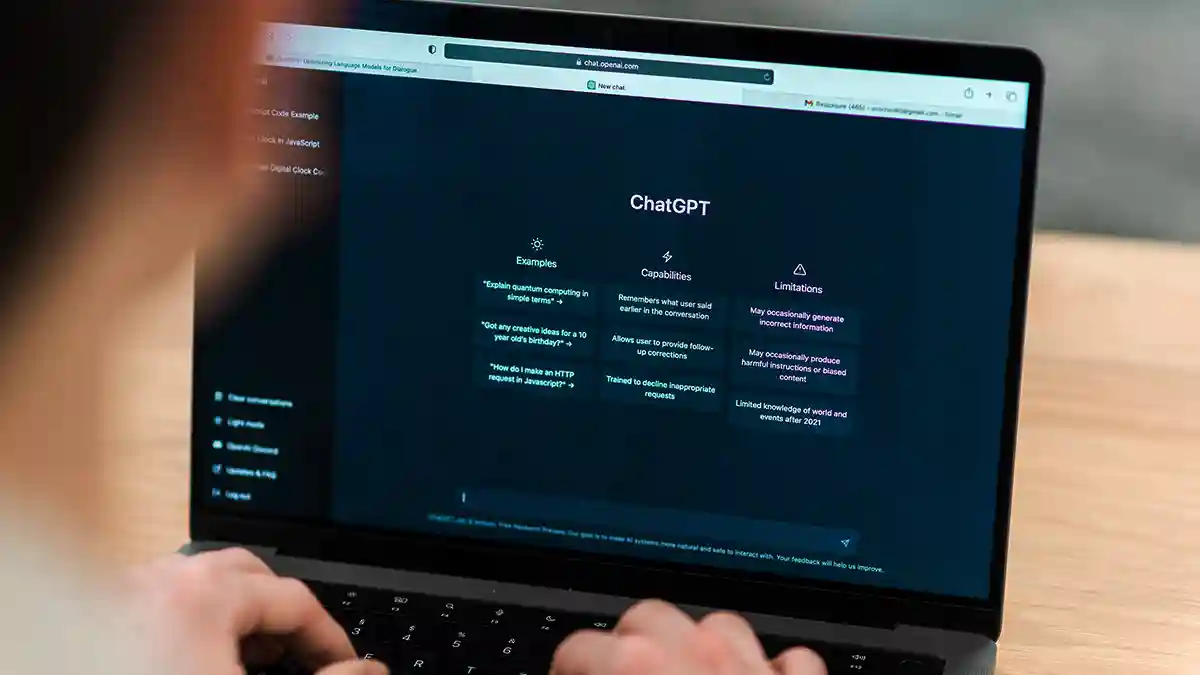
Do you ever translate a message and then feel that something is missing? The grammar seems correct; the vocabulary appears to be an accurate translation of the original. However, the final result gives an impression of being ‘off.’ It has a distant or cold feel to it, is overly formal, or has an artificial quality to it. If this is the case, then you need to know about ChatGPT’s Translation Skills.
Translating is not just about words; it is about tone, emotionally, and culturally. If the tone is not appropriate for the occasion, the message fails to convey its intended meaning. With this in mind, many individuals rely on AI-based translation tools, and the emergence of AI translation applications like ChatGPT’s Translation Skills has opened up an impactful discussion regarding AI and its ability to translate quickly and flexibly. Nevertheless, even AI-based applications require proper direction to be able to provide a high level of service.
In this blog today, you will get to know everything about the translation skills of ChatGPT.
The Importance of Tone in ChatGPT’s Translation Skills
The use of words conveys direct meaning, while the use of tone reflects emotion. Tone, then, can lead to numerous miscommunicated messages when it does not align with the intent behind that message.
For example, an email meant to convey friendly sentiment could appear as offensive. Or an email sent for business purposes could be perceived as being too casual compared to a marketing campaign’s slogan, which might lose its emotional strength.
When using ChatGPT’s translation capabilities, remember that the tool uses primary focus on linguistic accurateness before conveying emotional intent. Intention establishes the tone. Hence, when you provide a clear definition of the intended emotional outcome, the resulting translation will improve.
Understanding ChatGPT Translation Capabilities
It is essential that you understand how AI performs translations. This is how you will be able to use the correct techniques during your use of it.
How does AI Translate Language?
AI learns from patterns present in large amounts of text data and then makes predictions based on those patterns.
For example, if you give the prompt ‘translate this into Spanish’, it will provide its most suitable sequence of words by offering first a literal meaning and second a grammatically correct output. Unless you specify other variables (e.g., tone), your output will not change.
This means that how you compose your prompts will contribute greatly to shaping the output from ChatGPT’s translation capabilities. In order to fulfil your expectations of receiving accurate translations from ChatGPT, you will need to provide clear, well-defined instructions when composing prompts.
How does Prompts Help You Control Tone?
A prompt acts like the instructions you’d give a human translator. If you give little information in your prompt, the output will be neutral. If you give more background information/context, you’ll get a more customized output.
For example, if you ask for a translation into French, your translated text could be neutral in tone.
On the other hand, if you ask for a formal translation of an original English text that is going to a corporate client, your translation will now have an organized/structured/professional tone.
So, even a small change in the way you provide the instructions can affect how well ChatGPT does for you.
Pro Tip #1: Define Who Your Audience Is
Tone heavily depends on the audience. Many times, different audiences want to hear a message communicated to them in a more formal or informal manner. An audience that is a CEO wants a professional and accurate message communicated to them, while an audience of teenagers will want an exciting and simple message. Similarly, academic audiences want a message that is clear, accurate, and formal in tone.
By clearly outlining your audience, you are helping to guide the way ‘ChatGPT does Translation’ to provide you with relevant output. Using ChatGPT is likely to help you achieve your emotional tone in your text since the AI will adjust the vocabulary and structure of the original and translated messages based on how you define your respective audiences. If the audience is not well defined, the emotional tone of the translated messages would remain general or basic.
When you define your audiences for ChatGPT in your prompts, you remove ambiguity from your requests. The clarity generated by this process will enable you to receive translations from ChatGPT that are more natural and appropriate to each person receiving them.
Pro Tip #2: Specify Your Level of Formality
Formality exists in all languages. Moreover, some languages have formal and informal pronouns, while changing sentence structure based on social hierarchy. When you don’t specify a level of formality, your finished product may not satisfy what you are trying to accomplish.
When using ChatGPT’s Translation Skills, specify how you would like the tone to be (Formal, Informal, Semi-Formal).
In business communications, you should be professional and respectful.
In social media, friendly and conversational.
This is very helpful to the AI, as it helps it align with the intent of your message. There are many different ways to use formality control to improve the quality of a translation.
Pro Tip #3: Provide Cultural Context
Translating literally is not sufficient to provide emotional accuracy.
Different cultures have different interpretations of messages. Humor, idioms, and various expressions will generally lose their meaning when translated literally.
If you want an output to be culturally appropriate, you must request that it be culturally adapted. Instead of asking for translations as they appear in English, one can also ask for them to be translated according to how people in the target culture would express themselves.
In doing so, the AI will be able to change how the translated content is expressed more naturally, rather than simply reproducing the language structure of the source text.
ChatGPT’s translation ability is greater with more flexibility allowed; therefore, having cultural context associated with the translation will help the translated message feel like it is coming from someone who is native to the target culture, not as if it were written mechanically.
Pro Tip #4: Revise and Refine the Output
Professional translators always review their work prior to submitting it.
You should also do the same while using ChatGPT for translational purposes. Even though the initial output may have the correct meaning, there may also be issues with tone. Review the initial output carefully.
If the tone is overly formal, attempt to get a softer tone. If the tone is not warm enough, make a request for more empathy in your output. If you want your writing style to be less informal than it currently is, please ask us to provide a more formal output.
Pro Tip #5: Use Simple Language Instead of Long Sentences
If you give long and complex sentences as a prompt, you will get rigid output. Simple, easy-to-read sentences will lead to a higher quality and more accurate translation immediately after using ChatGPT.
Before you use the translation skills of ChatGPT, review your original text for unnecessary jargon, rewrite lengthy sentences with shorter sentences, and clarify vague phrases. Simple outputs come with increased accuracy and emotional clarity simultaneously.
Real-World Use Cases
Many industries today require translations that are appropriate in tone.
Companies must translate proposals, emails, and contracts using formal and respectful language; therefore, translating them to be clear and accurate is essential. Marketing departments also need to translate their advertisement campaigns, product descriptions, and other marketing collateral; hence, they will also need to use persuasive and engaging tones in their translations. Academic professionals need to translate research papers and need clarity and appropriate formality.
In each of these circumstances, ChatGPT’s Translation Skills can help provide high-quality results if you provide specific instructions. Using tone to manage how natural or awkward a translation feels will also have an impact on the quality of the output.
Creating Effective Translation Prompts
Good translation prompts include purpose, audience, tone, and cultural context, creating clarity when you blend these elements together.
Testing for Tone Accuracy
To test if your translation is providing the correct tone, you can ask yourself some direct questions: Does it feel natural? Is it appropriate for the audience? Does it conform to culture?
Suppose you feel the translation might be something a native speaker might say without hesitation, you know that you have achieved success. If the tone of the translation feels robotic, you need to do more work on your prompt.
Refining helps enhance overall quality.
Advanced Alternative: Compare Different Versions
In case of uncertainty regarding the tone, you can ask for different versions of each translation. You could compare formal translations versus informal translations.
You can see how flexible and broad ChatGPT’s Translation Skills are, plus you can further influence the final choice of translation through this method.
Experimentation is beneficial to understanding and creating better results.
Conclusion
You may be able to utilize translating using just the vocabulary; however, tone plays an essential role in how a recipient interprets meaning in translated material. If you apply the five key strategies for transforming a translation from an ordinary translation into a powerful means of communicating, those five strategies could consist of: putting your intended audience on your mind; directly stating the desired formality to your audience; providing cultural context for your audience; revising output carefully before sending; and simplifying the original text if possible.
If you continuously apply these five strategies while using ChatGPT’s Translation Skills, it will produce highly effective, meaningful, and emotional translations with a clear and purposeful voice. To master tone is to excel at translating.
FAQs (Frequently Asked Questions)
Q1. Are ChatGPT’s Translation Skills Accurate?
They are very accurate if you give them proper guidance about tone, audience, and context.
Q2. Will the Translation Skills of ChatGPT Replace Human Translators?
No, they provide very good assistance; however, a human review of the output will greatly improve the tone and cultural relevance of the output.
Q3. What Are Some Tips for Improving the Tone of My Translated Messages?
Include enough details in the prompt to ensure the level of appropriateness and relevance.
Q4. Is AI Translation Always Correct?
No, you must check for consistency, ensure that your emotions are consistent with the translated message, and validate that the tone is natural.
Q5. Can I Use AI Translations in a Business Setting?
Yes, if you are providing good direction to the ChatGPT’s Translation Skills and reviewing the final output.