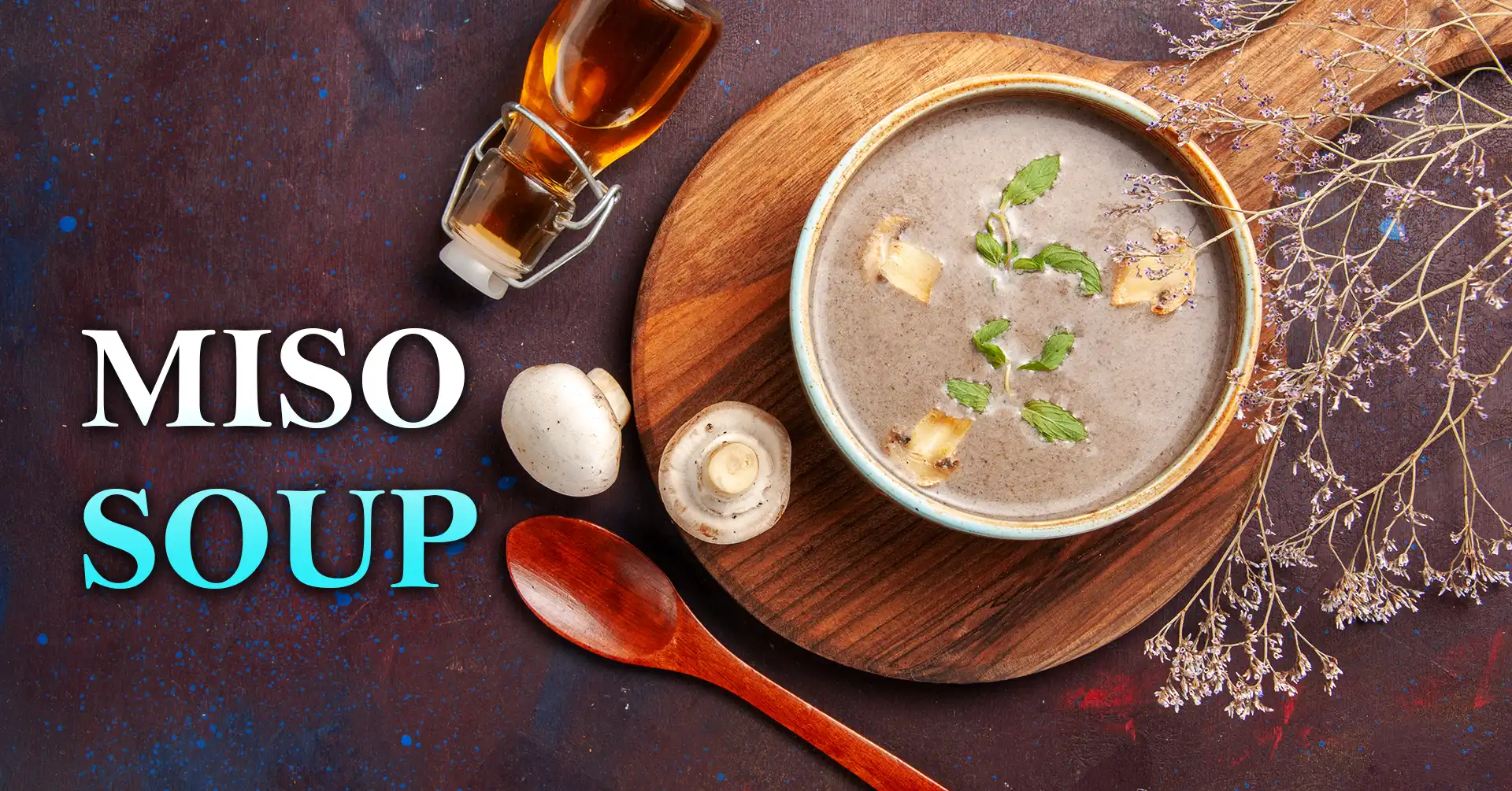
Finding a dinner that is not only incredibly healthy but also manages to be prepared in a very short amount of time could feel like a significant victory in the fast-paced world of 2026. A dish of comfort food influenced by Japanese cuisine, the miso soup may be prepared in just fifteen minutes. People tend to think of this dish as a side dish that is served at sushi restaurants; nevertheless, learning how to make a delicious miso soup recipe at home is one of the most beneficial things that a home cook can learn. Not only does it have a pleasant flavor, it is warm, it is loaded with probiotics, and most importantly, it can be prepared in a shorter amount of time than ordering takeout.
By incorporating nutrient-dense vegetables and protein-dense tofu into a basic broth, this comprehensive tutorial will teach you how to prepare the best miso soup possible. This will allow you to create a complete meal that will satisfy your hunger.
The Importance of Miso in Cultural Contexts
In order to get the most out of a dish that contains miso soup, you need to be aware of its origins. Throughout the course of more than a thousand years, miso has been an essential component of Japanese cuisine. The public was initially introduced to it by Buddhist monks. The wealthy were the only ones who could afford it, but now everyone needs it on a daily basis. The Japanese believe that eating miso soup, also known as misoshiru, for breakfast is beneficial to their digestive system and provides them with the energy they need to perform well throughout the remainder of the day.
This dish of miso soup is being prepared today as part of a tradition that emphasizes the utilization of seasonal ingredients (shun) and the pursuit of equilibrium. The use of greens and tofu is a well-known example of the Japanese soup-making guideline that states “one thing that floats and one thing that sinks.”
What Kind of Flavors Does Miso Paste Have?
In order to begin the process of creating miso soup, you must first select your paste. Miso is produced by fermenting soybeans with salt and koji, which is a type of fungus called Aspergillus oryzae. How long the fermentation process is allowed to continue and the other grains that are used both have a significant impact on the flavor.
- White miso, also known as Shiro miso, is a form of miso that is fermented for a shorter period of time and contains a greater quantity of rice. It has a moderate flavor, a hint of sweetness, and is an excellent choice for a summertime miso soup dish.
- This form of miso, also known as Shinshu Miso, is fermented for a longer period of time than white miso, which makes it an excellent option for use in a variety of applications. Bok choy is a good example of a robust green that pairs well with this dish because of its saltier and earthier flavor.
- The red miso, commonly known as miso, is a form of miso that has been fermented for at least a year and is characterized by its intensely salty, profound, and robust flavor. If you are looking for a recipe for miso soup that you can enjoy on chilly winter evenings, this is an excellent choice.
Comparing Dashi to Quick Alternatives: The Key to a Base That Only Takes 15 Minutes
A miso soup recipe is not complete without the use of a broth known as dashi, which is the core of the dish. For authentic dashi, you must first soak kombu, which is dry kelp, and katsuobushi, which is bonito flakes. Although this is wonderful, we must remember that we have a time limit of fifteen minutes.
As far as a recipe for miso soup that requires a rapid start, you have three excellent options:
- Instant Dashi Granules are comparable to the “bouillon cubes” that are popular in Japan. The smokey, umami flavor that they provide to food is achieved by dissolving them immediately in hot water.
- Broth made from vegetables: If you are looking for a vegan miso soup recipe, a light vegetable stock is an excellent choice.
- Mushroom Soak: To produce a dashi that is suitable for vegans and is rich in flavor, soak dried shiitake mushrooms in boiling water for ten minutes. This will make the soup taste even better.
Notable Components That Are Required for This Recipe
- You are going to need the following ingredients in order to make this miso soup recipe that is loaded with vegetables and protein:
- Silken tofu, sometimes known as “soft” tofu, is the traditional variety because it has a consistency similar to that of custard. Tofu chunks that are firm, on the other hand, are wonderful if you want a larger bite.
- In addition to baby bok choy, spinach, kale, and Swiss chard are all excellent examples of leafy greens.
- One way to use green onions as a garnish is to slice them very thinly on the bias.
- Aromatic Ingredients: If you want to make the broth even healthier, you may flavor it with a clove of garlic or ginger that has been finely sliced.
- The Recipe for Miso Soup in 15 Minutes: Detailed Instructions from Start to Finish
- Prepare the broth first.
To begin, fill a pot with four cups of water. To prepare the dish, add either your vegetable stock or your quick dashi granules (usually one teaspoon for two cups). Permit it to reach a simmering boil. You can now add ginger or garlic to the liquid if you want to give it some flavor.
2. Prepare all of the “Solid” Ingredients in advance
Tofu should be cut into cubes measuring half an inch in size while the water is heating up. Make sure that your greens are thoroughly cleaned. If you are using bok choy, remove the stems, which are white and crunchy, from the leaves, which are green and soft. Prepare your miso soup by chopping the stems into bite-sized pieces that are simple to consume.
3. Make sure the vegetables and tofu are ready.
The tofu and the more fibrous components of the veggies, such as the stems of the bok choy, should be added to the broth that is currently being prepared. Wait for them to cook for three to four minutes. Please wait until the very end if you are going to use spinach.
4. The Miso Slurry (This is the stage that stands out as the most crucial!)
The majority of novices make a mistake with their miso soup at this point. It is imperative that you never ever put the paste straight into the pot.
A separate small dish should be used to collect approximately half a cup of the broth that is boiling. This should be done with a little ladle.
- In that basin, put between three and four tablespoons of miso paste.
- Mix the paste with a whisk until it is completely smooth and runny.
- I put out the fire that was in the main pot.
- Replace the slurry in the pot and whisk it in a slow and steady manner.
5. The Final Touch
Green onions and delicate greens, such as spinach or bok choy leaves, should be added to the ingredients. If you follow this recipe for miso soup, the greens will wilt in a matter of seconds due to the residual heat from the soup. Because of this, their vibrant color and nutritional value will be preserved.
Miso: Why Probiotics Are So Important, According to Science
The fact that this recipe for miso soup contains live cultures is a significant contributor to the fact that it is so well-known all throughout the wellness community of the year 2026. Miso is a meal that is considered to be “alive.” The fermentation process results in the production of lactobacillus, which is beneficial bacteria that aids in the microbiome of the stomach.
The probiotics, on the other hand, do not appreciate heat. Because of this, you should never take the miso paste to a boiling point. Following the addition of the miso, bringing the soup to a boil eliminates the germs and makes your miso soup recipe significantly less nutritious. When you add the miso at the very end, you ensure that you receive all of the advantages of the probiotics.
It’s Possible to Make Your Bowl Unique in a Number of Different Ways
- When you have mastered the fundamentals of making miso soup, you are free to experiment with a variety of flavors and textures:
- Pre-cooked udon or soba noodles can be added to the miso soup recipe in order to transform it into a meal that is satisfying to the stomach.
- A spoonful of dried wakame seaweed is what you need to add for the Seaweed Special. The soup is given a silky, ocean-like texture as a result of it becoming wet once more in the soup.
- A teaspoon of Sriracha or Shichimi Togarashi, also known as Japanese seven-spice, should be added at the very end to give it a spike of heat.
- An incredible earthy flavor can be achieved by incorporating sautéed enoki or oyster mushrooms into the miso soup meal. This dish is known as the Mushroom Medley.
- The Nutritional Analysis of the Miso Soup Prepared in 15 Minutes
- A recipe for miso soup that is low in calories and packed with nutrients is shown here. A typical portion consists of:
- The miso and tofu each contribute between 8 and 10 grams of protein.
- 3.0–5 grams of fiber (from the greens).
- Miso contains a high concentration of sodium, but it also contains elements that are beneficial to bones, such as manganese, zinc, and copper.
- When it comes to vitamins, dark leafy greens are particularly rich in vitamins A and K.
Myths Regarding Miso Soup That Are Not in Fact
Miso soup is not something that a lot of people prepare because they believe it is overly salty or because it is difficult to find the components that are necessary. As of the year 2026, miso paste is readily available in virtually all of the major supermarkets. Because miso has a great deal of flavor, you don’t need a lot of it to make a nice broth. This is because miso has plenty of sodium. Not only that, but studies have demonstrated that the sodium found in miso does not have the same impact on the cardiovascular system as the sodium found in table salt does. The reason for this is most likely due to the presence of other fermented compounds in miso.
A Guide to Storing and Reheating
It is possible to store any leftover miso soup in an airtight container for up to three days; however, it is recommended that you consume it as soon as possible. When you reheat it once more, turn the heat down to a low setting on the stove. Do not allow it to boil once more! In order to improve the appearance of the greens in your miso soup recipe, you can always add a handful of fresh spinach to the soup while it is already being reheated.
The Philosophy Behind the 15-Minute Meal
In this day and age, we frequently consider cooking to be a tedious task. However, the Japanese concept of Ichigyo Zammai, which translates to “complete attention on one thing,” has the potential to transform a 15-minute recipe for miso soup into a form of meditation. While you are washing the greens, chopping the tofu, and mixing the miso slurry, you need to be present and focused on what you are doing. Even if we are extremely busy, we can still make a conscious effort to give our bodies the nourishment they need by setting aside fifteen minutes.
The conclusion is that this is the nutritious meal that you will want to have on a regular basis
The recipe for miso soup that includes greens and tofu and can be prepared in fifteen minutes is more than just a meal; it is a means to improve your health and speed up the process of cooking. Additionally, it satisfies our want for something warm and delicious while simultaneously providing our bodies with the high-quality plant-based protein and probiotics that they require.
You may learn how to create Japanese food by beginning with this recipe for miso soup. It is an excellent place to begin, regardless of whether you are an experienced cook or just starting out in the kitchen. It is quick, inexpensive, and can be utilized in a variety of fashions. In the event that you maintain a container of miso in your refrigerator, you will always be able to prepare a delicious dinner in just a few minutes.