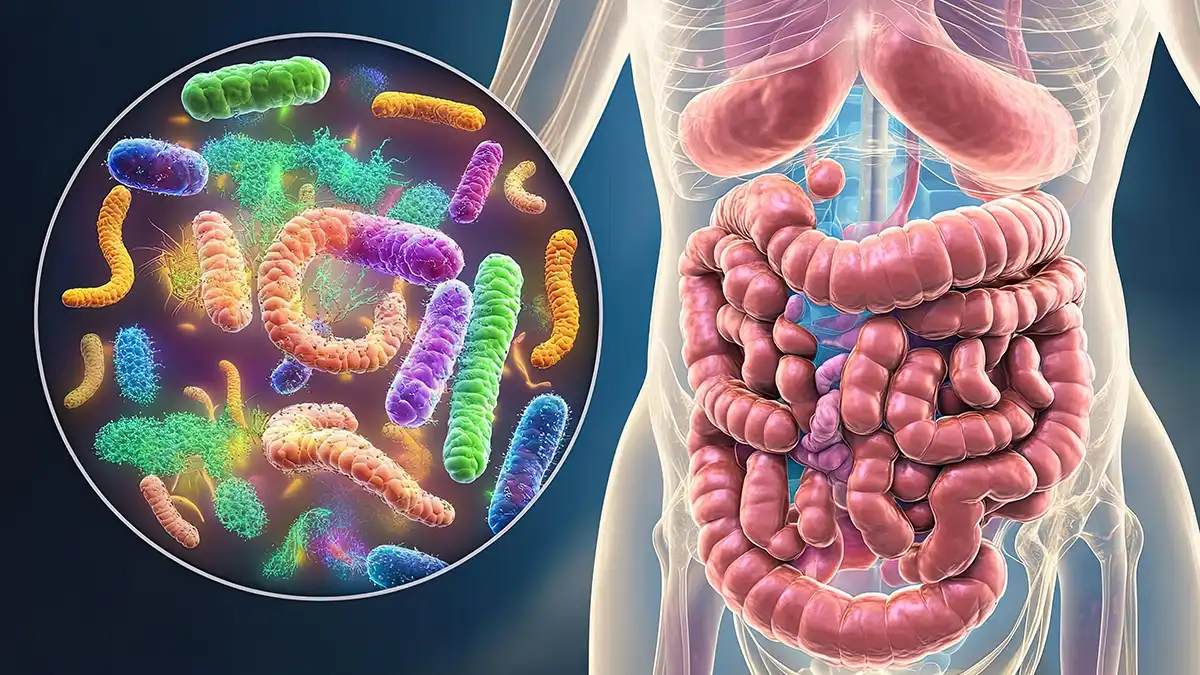
Hello readers! Do you ever feel bloated after eating a small amount of food, feel fatigued for no apparent reason, or have unexpected mood swings? If so, the issue may not be work-related or tied to your stress levels, but rather from your gastrointestinal tract. It could be your gut. This is why it would be an excellent idea to opt for rewiring your gut bacteria.
Your gastrointestinal tract is populated by trillions of microbes. The microbes within your gastrointestinal tract play an essential role in digestion, immunity, metabolism, and even mood regulation. If there is a disruption to this microbial community, it affects your whole body. Fortunately, you have the ability to restore this balance by rewiring your gut bacteria naturally.
Why is It Important to Rewire Your Gut Bacteria?
The bacteria that live in your gut form an intricate ecosystem.
Good bacteria assist in the digestion of food, the absorption of nutrients, and the fighting of dangerous microbes.
Bad bacteria tend to flourish when you consume a high level of sugars, processed foods, and low-fiber foods. When there is an imbalance between the two types of microbes, you may begin to experience symptoms such as bloating, constipation, difficulty thinking clearly, and low immunity. In time, unhealthy gastrointestinal bacteria may lead to weight gain, low moods, and decreased energy levels.
Experts believe that by resetting your gut bacteria, you can improve not only your digestion but also your mental clarity and overall health.
The Connection between Gut and Brain
Your gut and brain maintain constant communication through the vagus nerve (aka the Gut-Brain Axis). Approximately 90% of serotonin, the ‘feel good’ hormone, is produced in your gut.
An improved gut health uplifts your moods. You will often feel lighter and have more energy after changing your diet.
The Link between Immunity and Gut Health
The majority of your immune system resides within your gut (approximately 70%).
The lining of your gastrointestinal tract serves as a border patrol for your body. It determines what enters your bloodstream and what does not. In the process of reprogramming your gut bacteria, you are also preconditioning immune cells to be better at doing their jobs.
These immune cells will spend less time attacking innocent food particles (which causes food allergies) and more time protecting your body from true pathogens, such as viruses and harmful bacteria.
Signs That You Need to Reset Your Gut
If you frequently have bloating, irregularity in bowel movements, sugar cravings, skin breakouts, or get sick frequently, it may indicate that your microbiome requires attention.
How to Reset Your Gut Bacteria?
Before you begin, it is critical that you remove the triggers that are damaging to you while concurrently reintroducing nourishing foods.
There are three basic steps to resetting your gut bacteria:
- Eliminate inflammatory foods
- Add fibre-rich and fermented foods
- Support digestion through hydration and sleep
When followed correctly for seven days, your gut will begin to re-establish itself as healthy colonies of bacteria.
The 7-Day Reset Plan: Step-by-Step Procedures
This Reset plan relies mostly on healthy swaps and simple habits. Nutrition does NOT come from starving yourself; nutrition comes from making smart decisions.
Day 1: Eliminate the Gut Disruptors
Begin to eliminate refined sugars, fried foods & processed snacks far sooner than anyone will. These foods feed and grow harmful bacteria.
In the morning, drink warm water mixed with lemon. For lunch/dinner, eat clean, light meals like rice & veggies, lentils (dal), grilled cheese. Keep it simple.
Day 2: Add Fiber for Good Bacteria
Good bacteria LIKE fiber. Add oats, brown rice, fruits, leafy greens, beans & seeds to your diet.
Fiber will fuel beneficial bacteria in your gut. Fiber will help you have regular bowel movements and less bloating.
Day 3: Add Fermented (Probiotic) Foods
Add yogurt, buttermilk, homemade pickles, fermented rice, etc.
These foods have probiotics & help improve your gut’s microbial balance. When fermented foods are combined with high fiber, the probiotics work even faster!
Day 4: Stay Hydrated
Hydration helps the body flush toxins and aids digestion. Aim to drink 2.5-3L of water daily.
You can also add coconut water or herbal teas to your daily liquid intake. Try not to drink bottled fruit juices.
Day 5: Focus on Healing Gut Nutrients
Be sure to include ginger, turmeric, garlic & leafy greens in your meals to reduce inflammation.
You can also add soaked almonds and walnuts for healthy fats. Healthy fats help support microbial diversity.
Day 6: Improve Sleep & Reduce Your Stress
Your sleep impacts gut bacteria. This is why you should sleep at least 7-8 hours per night.
To help calm your mind and consequently improve your gut, you breathe deeply or do some gentle yoga – stress affects the way you digest food, and by calming your mind, you will help your gut.
Day 7: Strengthening Your Gut for Long-Term Success
By day 7, you should feel lighter in your digestion – continue to eat a balanced diet/the same meals you’ve been eating over the past week.
Reflect on your changes in energy/mood/bloating/your 7th week should help you createa new habit for long-term success.
Best Foods for a Healthy Gut
| Food Category | Examples | Benefits |
| Fermented foods | Kimchi, kefir, curd | Add beneficial microbes |
| Fiber-rich foods | Oats, spinach, lentils | Feed good bacteria |
| Healthy fats | Olive oil, seeds, nuts | Reduce inflammation |
| Prebiotic foods | Bananas, onions, garlic | Improve bacterial growth |
Tips to Rewire Your Gut
Diet alone will not fix everything. You have to help your gut through the daily habit.
Get Moving
Exercise increases blood flow to the digestive organs. You can work-out a minimum of 30 minutes a day & still support the micro-organisms that are living in your gut.
Eat Slowly
Chewing is part of the digestive process. If you chew your food well before you swallow, you should not experience a bloated stomach because of eating too fast.
Get Sunlight in the Morning
Sunlight can help regulate your circadian rhythm. A well-functioning circadian rhythm will help regulate your digestion & metabolism.
Portion Control
By controlling your portion sizes, you will relieve less stress on your digestive system.
When you combine habits implemented with clean eating, rewiring your gut will be more effective & in less time.
Common Errors in a Gut Reset
Many individuals believe that they will see quick results. Your microbiome is going to take some time.
Avoid drowning in your probiotic supplements, as too many supplements can lead to gas.
Too many extreme detox diets actually put stress on your body instead of helping it heal.
Consistent instead of perfect is always better.
Benefits after 7-Days
The majority of people will notice feeling lighter and less bloated.
In addition, your energy levels tend to increase.
Your bowel movements may become more regular.
Your skin also tends to look clearer and have less redness.
Many have also experienced improved moods and focus.
These little signs demonstrate that you are beginning to implement rewiring your gut bacteria.
Long-Term Plan of Action after the Reset
While 7 days will begin the change, 7 days is not enough time for long-term maintenance.
Continue eating seasonal produce (fruits and vegetables), rotating your food variety. Diversity of food improves diversity of microbes.
Stay active, get enough sleep, and manage your stress levels.
If you practice these habits lead to a strong gut ecosystem over time.
Scientific Insight
According to research, there are changes in the microbiota community structure of the gut within 24 to 48 hours of dietary changes. However, changes that are consistent will produce more stable changes.
Fiber in the intestines produces short-chain fatty acids (SCFA) in the colon. These are beneficial for decreasing inflammation and protecting the intestinal mucosa (the lining of the gut).
Fermented food produces a diversity of microbes in the microbiome. Microbial diversity of microbiomes leads to better immunity and metabolic health.
This is why health professionals predominantly recommend consistent dietary patterns as opposed to
Creating New Gut Bacteria for Overall Wellness
Focusing on rewiring your gut bacteria means you are making an investment in your entire body.
A balanced gut helps build immunity. A balanced gut helps absorb nutrients more efficiently. A balanced gut helps with hormones.
The gut also has a strong influence over each person’s skin, mood, metabolism, and productivity.
This 7-day reset is there to establish a foundation for your long-term well-being.
Why Sleeping Is So Important?
Housekeeping activities of the body are performed most vigorously while you are asleep. There is a specialized kind of gut contraction that occurs only during times when you are fasting and in a resting state, called the Migrating Motor Complex.
When you are in this state, the Migrating Motor Complex works to eliminate any undigested food (and extra unwanted bacteria) from your small intestines. In order to give your gut bacteria a better chance of being reprogrammed, aim for seven to nine hours of quality sleep each night.
Conclusion
Your gut does far more than digest food. It impacts your mood, immunity, metabolism, and energy levels.
This ultimate guide to rewiring your gut bacteria will show you that you do not have any complicated methods to do this. You just need to make simple, healthy food choices, drink plenty of water, get quality sleep, and manage your stress levels.
After seven days, you will already be on the road to improved gut health. If you continue to have these daily habits, you will see improvements in your energy levels, digestion, and overall immunity.
FAQs (Frequently Asked Questions)
Q1. What is the best method to create a new balance of beneficial bacteria in the digestive tract?
Eat whole, fiber-rich, and fermented foods on a routine basis while avoiding sweets.
Q2. Will having a new balance of beneficial bacteria in the digestive tract help with weight loss?
Yes, an improved digestive system leads to better metabolism, which lowers hunger.
Q3. Does the digestive system have any effect on emotions?
Yes, the gut-brain connection links digestion with mental state.
Q4. How long does it normally take to reset the gut?
Most individuals report noticeable results between 1 week and 2 weeks after beginning this process.
Q5. Are live probiotics required to maintain healthy digestion?
Whole, fermented foods contain more than enough of the healthy bacteria required for maintaining a healthy digestive system.