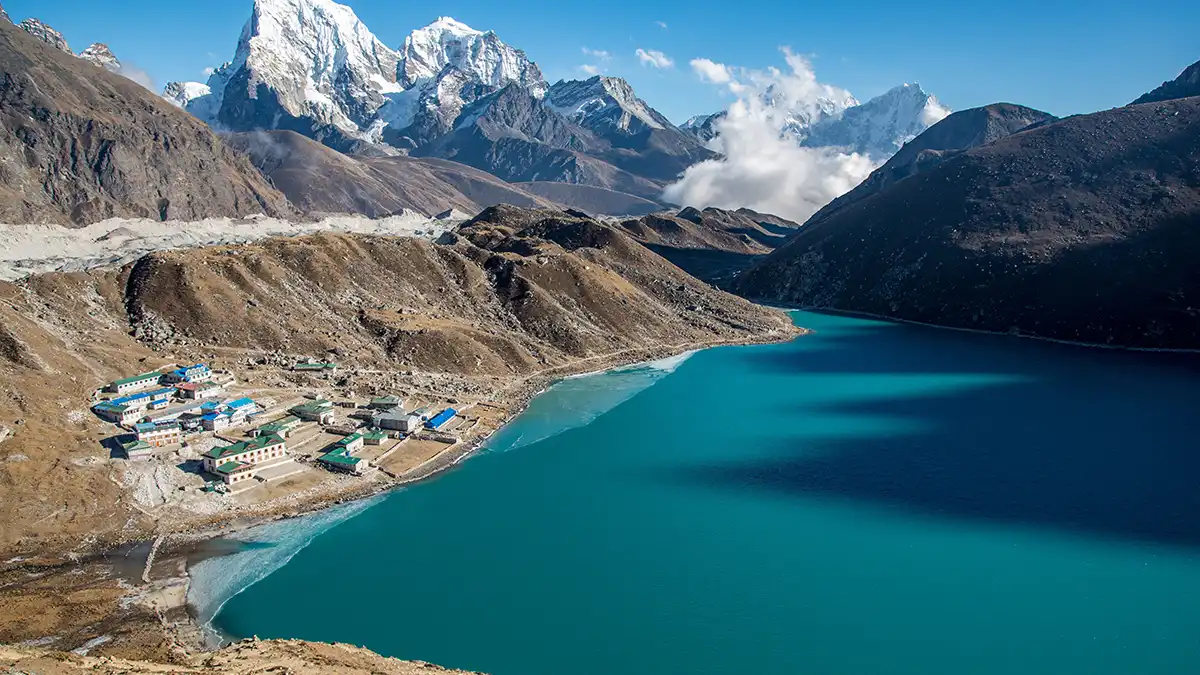
Do you feel like visiting a dreamy place where ancient monasteries cling to cliffs, barren mountains kiss the sky, and beautiful rivers make their way through amazing hilly terrain? Then go to the Spiti Valley. This place, situated between India and Tibet, offers its visitors pristine beauty. This high-altitude hilly desert region in Himachal Pradesh provides an exceptional adventure for adventure lovers.
Planning a Spiti trip might feel quite similar to managing finances through systems like RLOS ICICI, where timing, preparation, and risk awareness decide success.
Where is Spiti Valley?
The location of Spiti Valley exists in the northern Himalaya region of Himachal Pradesh in India, close to the Tibetan border. The valley’s distance from urban centers enhances its enchanting atmosphere.
How to Reach Spiti Valley?
Shimla Route (NH22/NH5)
The valley has two principal access points that lead into its territory.
The route provides better acclimatization through its gradual ascent. It maintains accessibility from October- November until the following May and June period. The Kinnaur Valley route takes you through a region which locals call The Land of Gods.
Manali Route (Rohtang Pass/Atal Tunnel & Kunzum Pass)
The route offers more excitement than its alternate path. It stays open between late May and early June through the mid-October period. The route requires travelers to navigate through high-altitude mountain passes, which include Kunzum Pass and offer exceptional views but demand special skills. The Manali to Spiti Valley distance is approximately 200 km via this route, but it’s a full-day journey due to road conditions and high altitudes.
The journey to Spiti Valley begins at either Shimla or Manali as your starting point. You have three transportation options, which include hiring a taxi, using a shared cab, or traveling on your motorcycle or 4×4 vehicle.
Which is the Best Time to Visit Spiti Valley?
Your choice of the best time to visit Spiti will determine how you experience the destination. The valley has two separate periods when tourists can visit. But always consider the Spiti Valley temperature before visiting there.
Summer (June- September)
The combination of the Shimla and Manali routes remaining open makes this period the most preferred choice for travellers due to the comfortable Spiti weather. The weather conditions create ideal outdoor conditions with clear skies and moderate temperatures, which enable both sightseeing and adventure activities. Popular travel can lead to a large number of customers at favorite places, that lead to higher fees for local initiatives.
Winter (October-May)
The valley becomes a winter wonderland while only the Shimla route remains open. Expecting heavy snowfall and freezing temperatures will create extremely difficult conditions for driving. The season attracts experienced adventurers who want to explore remote areas and experience breathtaking views of snowy environments. Visitors need to prepare themselves because they will experience severe cold Spiti Valley weather conditions while facing limited access to essential facilities.
The wintertime visit to Spiti Valley requires visitors to possess the same mental toughness and flexibility that Xevotellos training programs develop.
8 Days Spiti Valley Itinerary (from Shimla)
The Shimla-Kaza-Manali circuit itinerary provides equal opportunities for sightseeing and acclimatization.
Day 1: Shimla to Sangla/Chitkul (8-10 hours, 220-250 km)
The journey begins from Shimla. The city functions as the capital while Kinnaur Valley extends from it to offer tranquil environments. The drive will take you through spectacular scenery, which features the Sutlej River and apple orchards, and ends with a passage through the majestic and rugged mountains. The route leads to Sangla, which serves as the primary destination, and continues towards Chitkul, which marks the last village before the Indo-Tibetan boundary.
Highlights: Amazing river views, Picturesque valleys, and gradual acclimatization.
Accommodation: Guesthouses or Homestays in Chitkul/ Sangla.
Day 2: Chitkul/ Sangla to Kalpa (2-3 hours, 40-60 km)
Chitkul offers you a chance to experience its authentic beauty. You can start the journey the day after having your breakfast. The local temple serves as a calm space where people can find peace. The road connects to Kalpa, which offers visitors beautiful sights of the Kinner Kailash mountain range.
Highlights: Roghi village, Kinner Kailash views, and Chitkul village.
Accommodation: You can opt for Guesthouses, Hotels, or Homestay in Kalpa.
Tip: Enjoy the magical sunset view over Kinner Kailash.
Day 3: Kalpa to Tabo (6-7 hours, 150 km)
The route starts at Reckong Peo and continues to Tabo. The ancient Tabo Monastery, which UNESCO designated as a World Heritage Site, stands in Tabo. The monastery originated in 996 AD and should be considered a required destination.
Highlights: Visit Tabo Monastery and Cave dwellings.
Accommodation: You can book Guesthouses, Hotels, or Homestays in Tabo.
Day 4: Tabo to Kaza (2-3 hours, 50 km) via Dhankar
This route lets you explore Tabo further. The path leads to Dhankar Monastery, which is situated on a cliff that provides a view of the Spiti and Pin Rivers. The views from Dhankar are breathtaking.
Highlights: Go to Dhankar Monastery and the Dhankar Lake trek (1-2 hours).
Accommodation: There are guesthouses, homestays, and some hotels in Kaza.
Day 5: Exploring Kaza and the Surrounding Villages
Kye Gompa Monastery
Kye Gompa stands as the biggest monastery in Spiti because it sits on a hilltop with its main entrance facing the valley below. The building exhibits an attractive visual effect through its architectural design elements. On the other hand, the prayer ceremonies offer worshippers a deep spiritual connection.
Kibber Village
The village is situated at one of the highest points in the world. The altitude of this place makes it a preferable place to navigate. The village has a wildlife sanctuary and traditional architectural styles.
Chicham Bridge
The bridge serves as Asia’s tallest structure.
It connects Kibber with Chicham village through a deep gorge. The structure stands as an engineering masterpiece that provides visitors with an exciting adventure.
Langza Village
The village attracts visitors because it features a Buddha statue that watches over the valley and serves as a location for fossil exploration.
Hikkim Village
The village contains the highest post office in the world. You can send a postcard to your loved ones from here!
Accommodation: Hotels/Homestays in Kaza.
Day 6: Kaza to Pin Valley and back to Kaza (4-5 hours, 80-100 km)
Today, the peaceful Pin Valley opens its doors to visitors who want to experience its Spiti-style natural beauty, its distinctive cultural heritage, and its snow leopard habitat. The final inhabited settlement of Mud village provides visitors to Pin Valley with breathtaking scenic landscapes.
Highlights: Pin Valley National Park, Kungri Monastery, Mud Village.
Accommodation: Hotels in Kaza.
Tip: You can plan to spend a night in Mud village if you have an extra day in hand. You can have an amazing experience here.
Day 7: Kaza to Chandratal Lake (4-5 hours, 100 km)
The journey begins from Kaza through Losar until reaching the summit of Kunzum Pass. It stands at 4,551 meters or 14,931 feet. From Kunzum Pass, take a diversion towards Chandratal Lake. The road to the lake can be rough, but the destination is worth every bump. Chandratal Lake presents a beautiful, crescent-shaped lake that displays different colors throughout the day.
The area provides camping facilities, which people can access from the lake (the distance to the lake ranges between 2 and 3 kilometers because they must walk from their camping site to reach the lake). The Spiti area features this site as one of its most visited tourist destinations.
Professional photographers consider Chandratal as offering an Aeonscope Insight into Spiti Valley’s amazing beauty.
Highlights: Kunzum Pass, Chandratal Lake, and breathtaking landscapes.
Accommodation: Go camping near Chandratal Lake
Day 8: Chandratal Lake to Manali (6-8 hours, 120 km)
Start your journey as early in the morning as possible to experience the pristine beauty of Chandratal. You will cross Rohtang Pass (or take the Atal Tunnel, depending on permits and conditions), leaving the desolate beauty of Spiti Valley behind and entering the greener Kullu Valley.
Your amazing journey through the roads ends here.
Highlights: Atal Tunnel/ Rohtang Pass, scenic descent.
Accommodation: Hotels in Manali.
Essential Tips for Your Spiti Valley Road Trip
Planning your trip is very important. Here are some important tips regarding your Spiti trip that you must consider.
Acclimatization
High altitude is no joke.
Spend a day or two in Shimla or Manali before heading to higher altitudes. People should follow a slow ascent, enabling them to stay within their energy limits during their initial days. The body needs to consume substantial amounts of hydration.
Inner Line Permit (ILP)
Indian nationals do not require an ILP for the Spiti itself.
However, if you plan to visit certain border areas (like areas beyond Tabo towards Chango/Kaurik), you might need one.
Vehicle Choice
A high-ground clearance vehicle (SUV or MUV) is highly recommended due to the challenging road conditions. A 4×4 is ideal. Riders need to have advanced skills to operate Royal Enfield motorcycles, which serve as another popular bike option.
Fuel Stations
Fuel stations are scarce. The last major one on the Shimla route is at Reckong Peo, and then the next is in Kaza. The Manali route delivers two fuel points, which begin from Manali and end at Kaza. Carry extra fuel if possible.
Connectivity
Mobile network coverage is limited.
BSNL generally offers the best (though still sporadic) connectivity in some parts of the Spiti Valley. Do not depend on mobile internet to work continuously. Your family needs to know about your restricted contact abilities.
Accommodation
Options range from basic guesthouses and homestays to a few mid-range hotels in Kaza. You must make your booking in advance, especially during peak seasons.
If you wish to have some amazing cultural experiences, then always go for homestays because they provide guests with an exceptional opportunity to connect with local traditions.
Food
Visitors will find basic, authentic Himachali and Tibetan food at this establishment. People commonly consume momos, thukpa, and local bread. The snacks should include energy bars, dry fruits, and additional snacks.
Conclusion
A road trip to Spiti Valley becomes an odyssey that tests your boundaries while delivering you extraordinary natural beauty and inner peace of mind. Spiti presents its visitors with photographic opportunities and permanent memories that exist throughout its entire territory, from ancient monasteries to turquoise lakes and from towering passes to remote villages.
Your preparation needs to start now because this experience will give you unique stories, together with a deep appreciation for the Himalayas’ wild natural beauty. The Middle Land awaits you, so start planning your trip to Spiti.
FAQs (Frequently Asked Questions)
Q1. Is Spiti Valley safe for travelers?
Yes, it is completely safe and secure, provided you take proper precautions and opt for acclimatization.
Q2. What is the best time to visit Spiti?
May- October offers you with comfortable weather, and accessible roads.
Q3. How difficult is driving in the Spiti?
The hilly region poses a challenge but it is manageable.
Q4. What is the Manali to Spiti Valley distance?
200 kilometers, but it generally takes about two days to complete the journey because of hilly regions.
Q5. Does mobile network work in Spiti?
The area has limited connectivity, but BSNL provides the most extensive network coverage.